* Some questions may have more than 1 correct answer.
Use the search below to find question.
Amount of questions: 61.
Right answers marked with this sign .
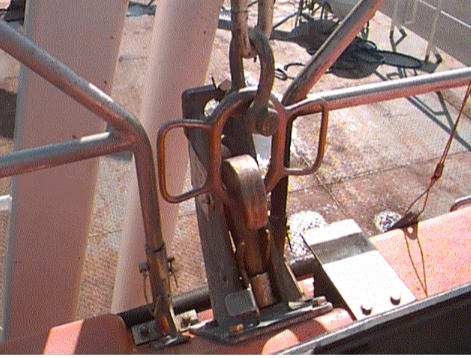
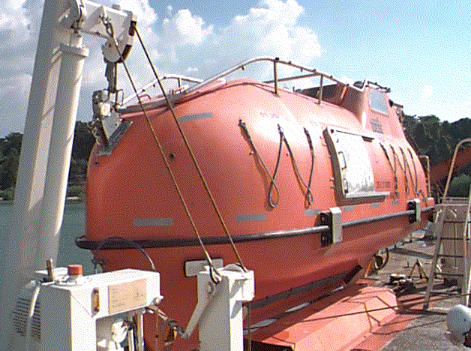
What does this picture show?
Automatic falls release arrangement.
A boathook ready for use.
The fall block on a gravity davit.
The boarding arrangements for a modern lifeboat.
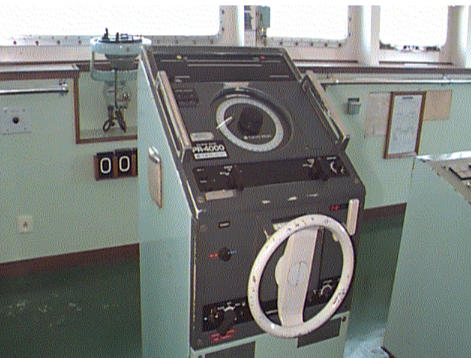
What does this picture show?
The master gyro compass.
The engine control console.
The emergency steering position in the steering flat.
The automatic pilot console.
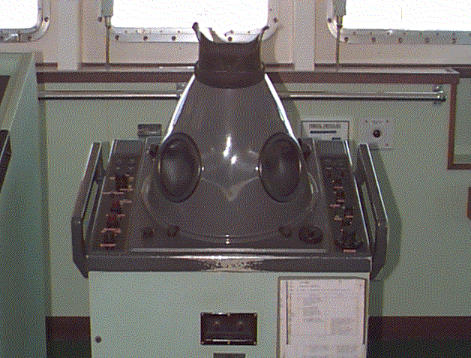
What does this picture show?
The bridge sonar equipment.
The radar console.
The clear view screen.
The smoke control indicator.
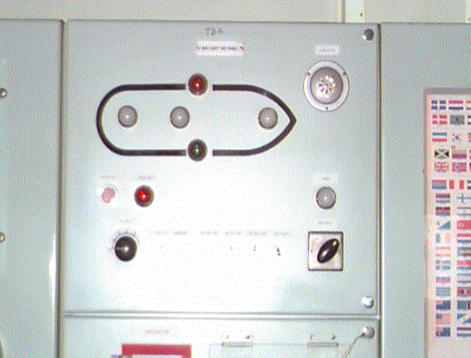
What does this picture show?
The fire alarm panel.
The navigation lights indicator.
The smoke detection panel.
The stability indicator.
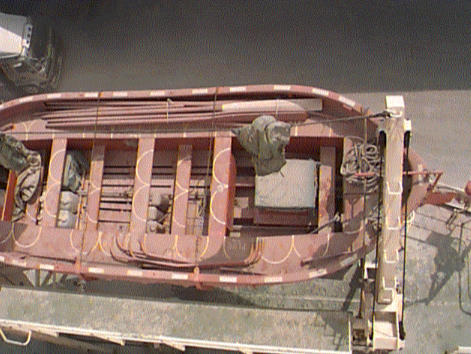
What does this picture show?
An open lifeboat.
An open liferaft.
A dedicated rescue man overboard rescue boat.
An enclosed lifeboat.
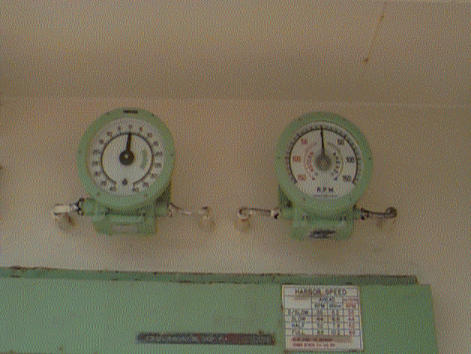
What instrument indicator is shown on the right of the picture?
The steering gear pressure indicator.
The bridge barometer.
The engine RPM indicator.
The rudder angle indicator.
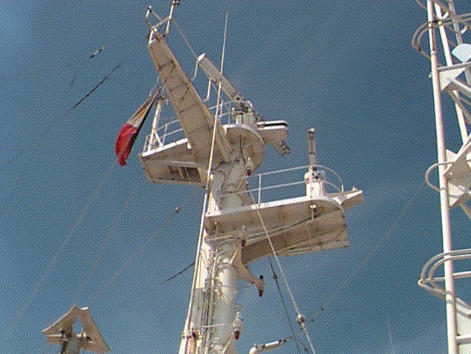
What does the picture show?
A telescopic topmast.
The jackstaff.
The foremast.
The radar and signal mast.
What does the picture show?
A freefall lifeboat.
An open lifeboat.
A high speed rescue boat.
A rigid survival capsule.
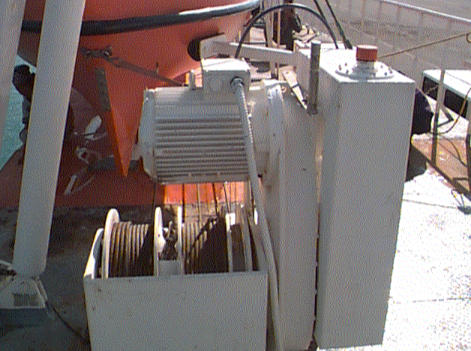
What does the picture show?
Quick release gear.
Hydrostatic release gear.
A lifeboat falls wires and hoisting winch.
A portable lifeboat engine.
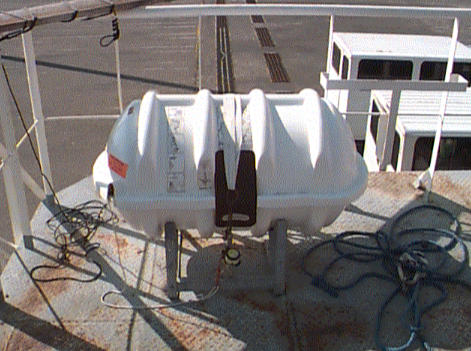
What does the picture show?
A stored inflatable liferaft.
A container for storing lifejackets.
A lifeboat freshwater container.
A container for storing distress rockets.
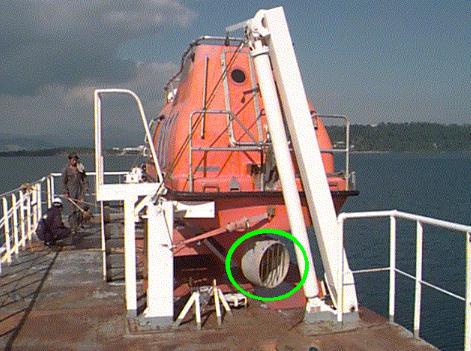
What does the encircled part of the picture show?
Engine cooling water intake.
Circular type advanced rudder.
Engine exhaust underwater discharge.
Propeller guard capable of vectoring thrust.
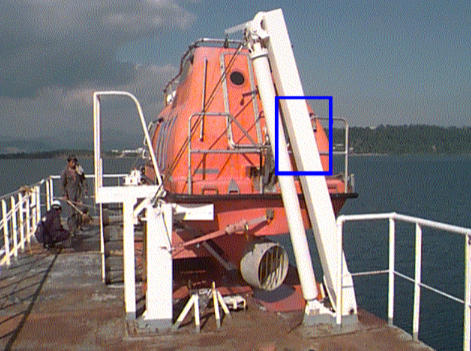
What part is shown inside the rectangle?
An overhead gravity davit.
A luffing davit.
A stored pressure gravity davit.
A single arm launching davit.
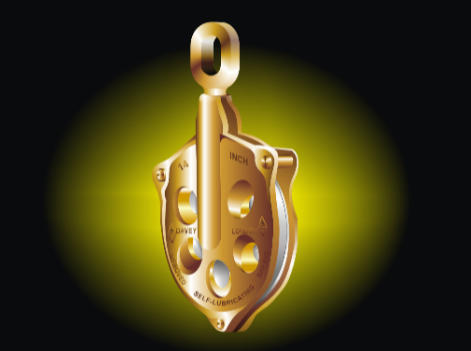
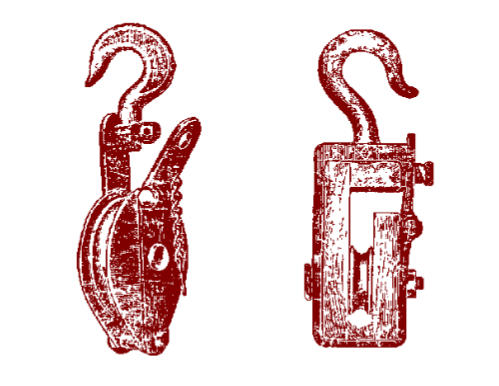
What do you call the item shown in the picture?
A cargo block.
A derrick wheel.
A cargo pulley.
A gin block.
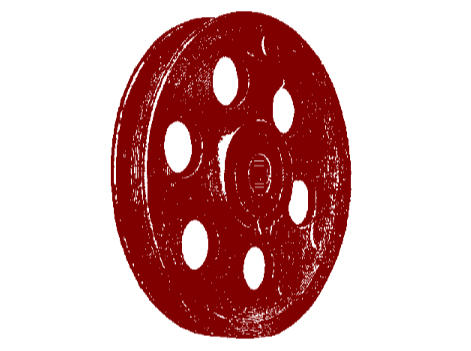
What do you call the item shown in the picture?
A block wheel.
A roller bush.
A metal sheave.
A block shell.
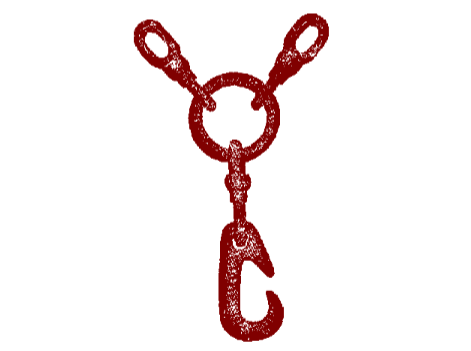
What do you call the item shown here?
A sky hook.
A cargo hook for a crane.
A heavy lift hook.
A cargo hook rigged for union purchase.
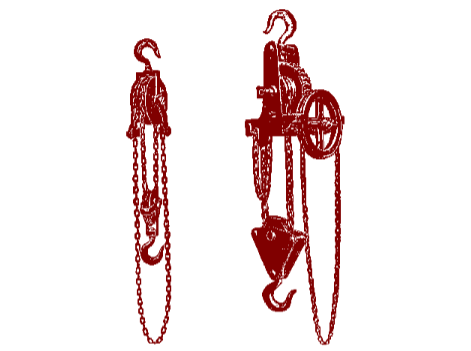
What do you call the items shown here?
Chain blocks.
Gun tackles.
Handy billies.
A threefold purchase.
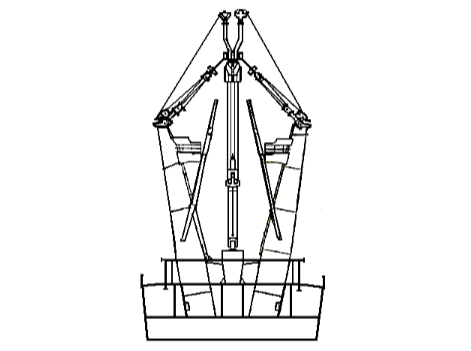
What does the drawing show?
A union purchase derrick.
A heavy lift Stulken derrick.
Two cargo derricks.
Twin samson posts.
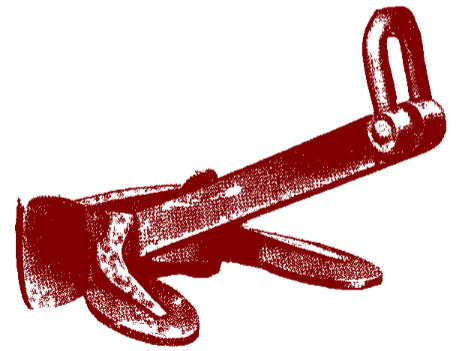
What does the picture show?
A patent stockless anchor.
An Admiralty anchor.
A kedge anchor.
A sea anchor.
Select the correct answer. What is your course?
My course is steady.
My course is midships.
My course is 134 degrees.
My course is right ahead.
What does the word "ZENITH" mean?
Light wind.
Highest point of the celestial body.
Clothes fastener.
Musical instrument like a guitar.
What does the circled part of the picture show?
The foundation.
The jib.
The pedestal.
The base control.
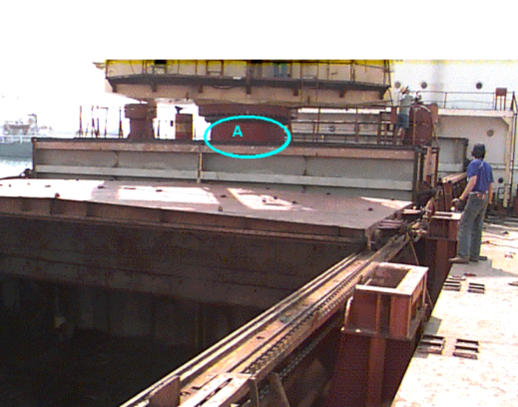
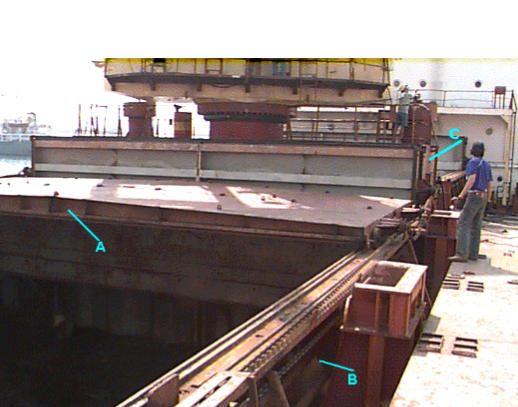
What part is indicated by the letter "A"?
A transverse beam.
A hatch cover.
A king beam.
A hatch slab.
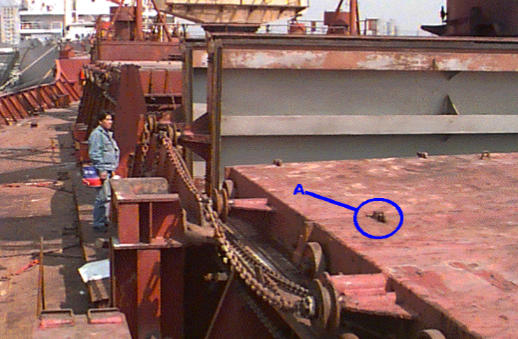
What does the circled part of the picture show?
A cleat or dog.
A padeye.
A ram.
A "T" piece.
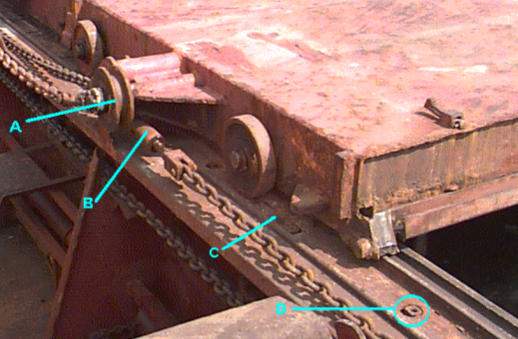
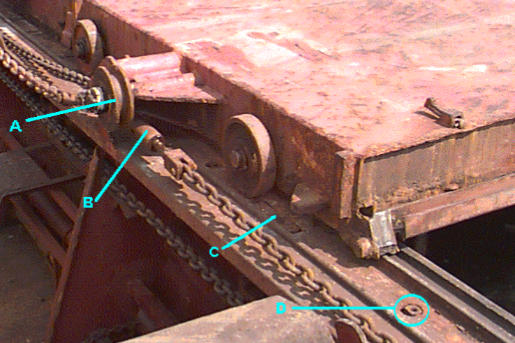
What part of the hatch is indicated by the letter "A"?
The track wheel.
The eccentric wheel.
The rotator wheel.
The guide wheel.
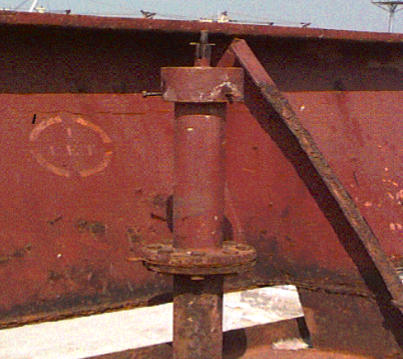
What do you call the circled part in the picture?
A bulwark bay.
A bulwark angle iron.
A bulwark stanchion.
A bulwark support.
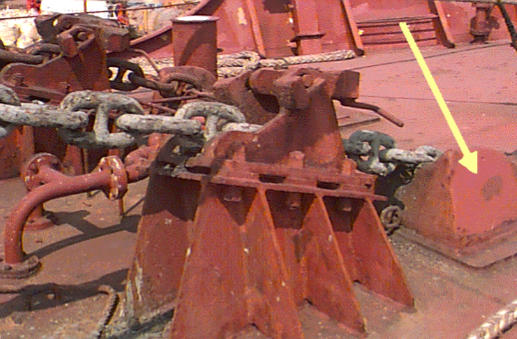
What does the indicated part of the picture show?
The anchor chain.
A mooring chain.
A bow stopper.
A compression bar.
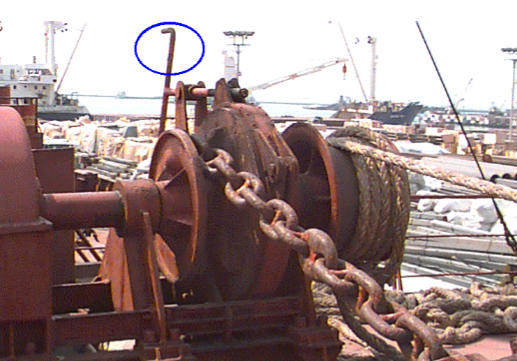
What does the circled part of the picture show?
The anchor gear lever.
The windlass power control.
The anchor brake.
The mooring shift control.
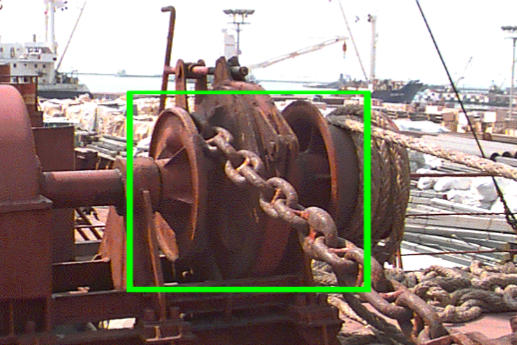
What is the part of the windlass shown?
The anchor cylinder.
The anchor drum end.
The spurling pipe gear.
The anchor gypsy.
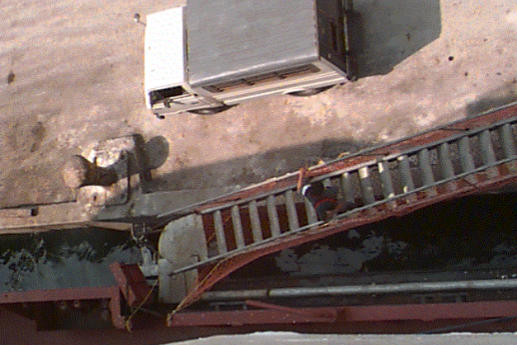
What does the picture show?
A pilot ladder.
A gangway.
An embarkation ladder.
A stairway.
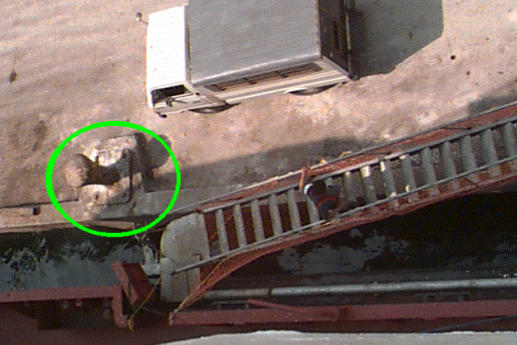
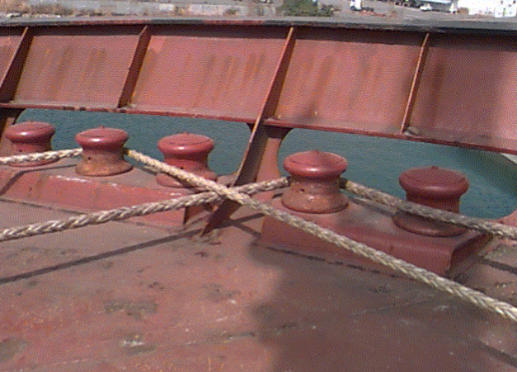
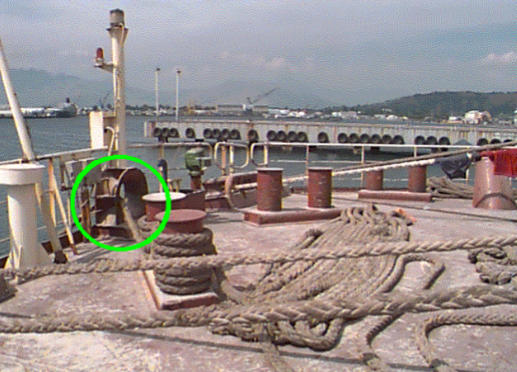
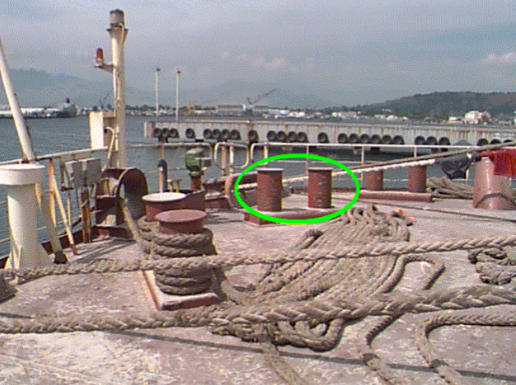
What does the circled part of the picture show?
A cleat.
A mooring bollard.
A panama lead.
A set of mooring bitts.
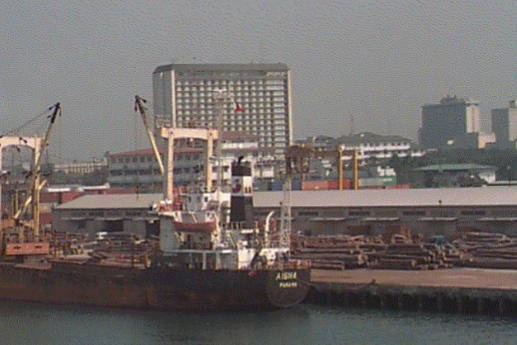
What does the picture show?
A vessel anchored in port.
A vessel moored portside to the pier.
A vessel moored starboard side to the pier.
A vessel waiting to load cargo.
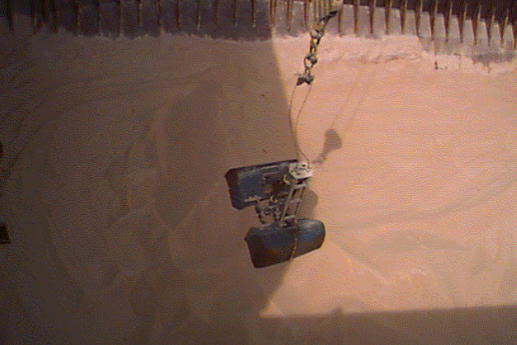
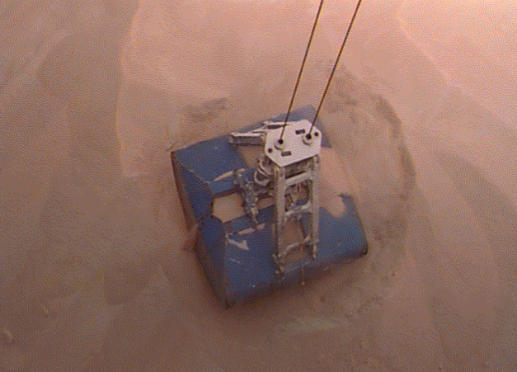
What does the picture show?
Discharging bulk cargo with an automatic bucket.
Discharging bulk cargo with a clamshell grab.
The end of a cargo conveyor discharge.
A bulldozer working in a cargo hold.
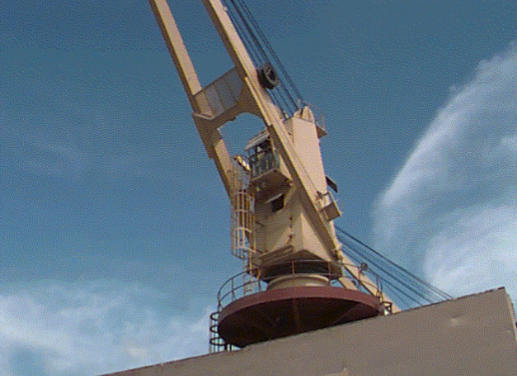
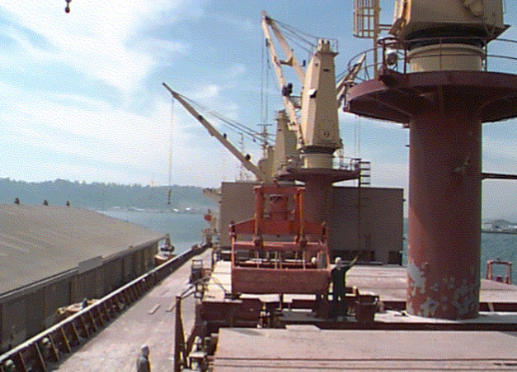
What does the picture show?
The lookout tower of a cargo crane.
The control tower of a ship's derrick.
The control cabin of a ship's crane.
The driver's cabin of a cargo boom.
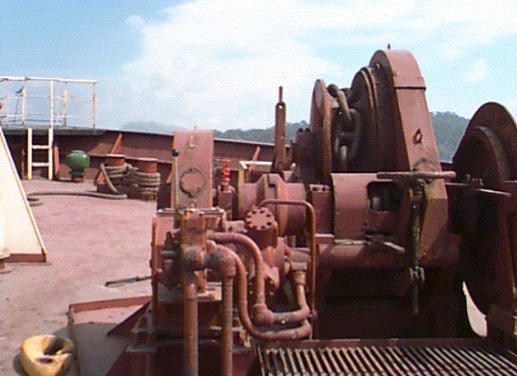
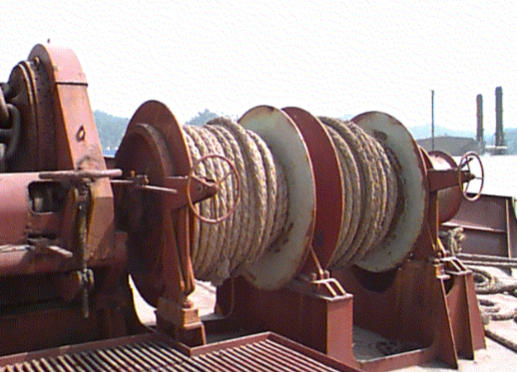
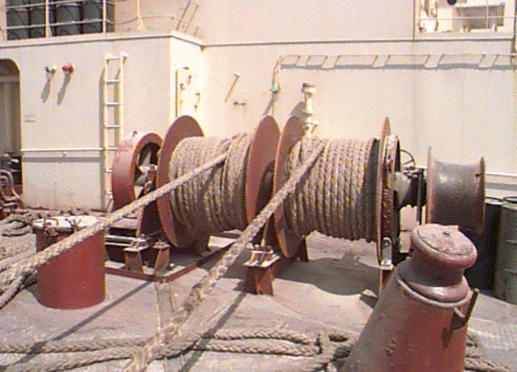
What does the picture show?
A mooring winch.
An anchor windlass.
A cargo winch.
A towing winch.
What does the picture show?
Forward mooring tension winches.
Aft mooring station tension winches.
The drums of cargo winches.
Self stowing mooring wires.
What sort of mooring lines are shown in the picture?
Plaited polypropelene.
Three stranded manila rope.
Plaited nylon.
Six stranded nylon core cables.
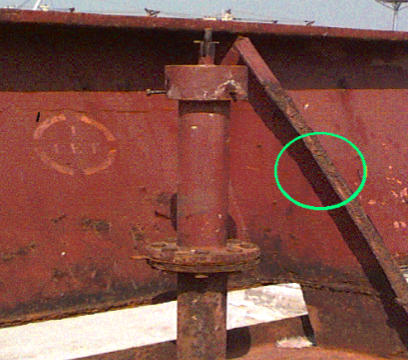
What type of leads are shown in the picture?
Ordinary fair leads.
Panama fairleads.
St Lawrence seaway fairleads.
Roller fairleads.
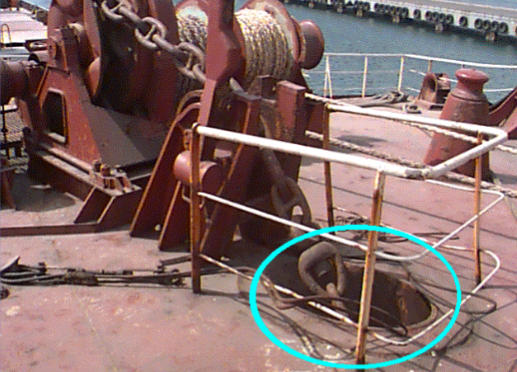
What do you call the circled opening?
The anchor scupper.
The hawse pipe.
The spurling pipe.
The anchor hole.
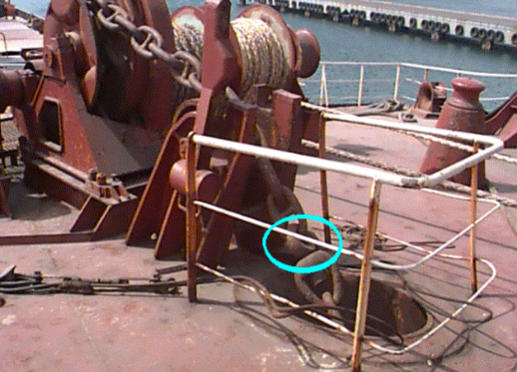
What do you call the circled part of the anchor chain?
The anchor swivel link.
The anchor joining shackle.
The crown shackle.
An open ended anchor link.
What does the picture show?
A cargo ship's derricks.
A cargo ship's booms.
A cargo ship's cranes.
A cargo ship's gantry cranes.
What does the picture show?
A bulk cargo evacuator.
A clamshell grab, discharging cargo.
A cargo bucket, loading cargo.
An automatic cargo shovel.
What does the encircled part of the picture show?
A roller fairlead.
A capstan.
A St Lawrence seaway fairlead.
A Panama farlead.
What does the picture show?
The aft mooring tension winches.
The forward mooring tension winches.
The windlass as a mooring winch.
The reels for storing mooring lines.
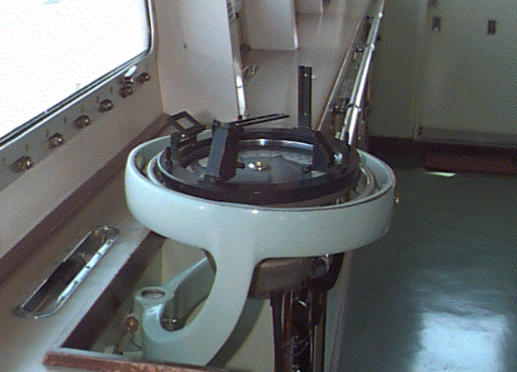
What does the picture show?
A gyro compass repeater, with a pelorus ring.
A magnetic compass, fitted with a bearing ring.
The master gyro compass.
The gyro steering repeater.
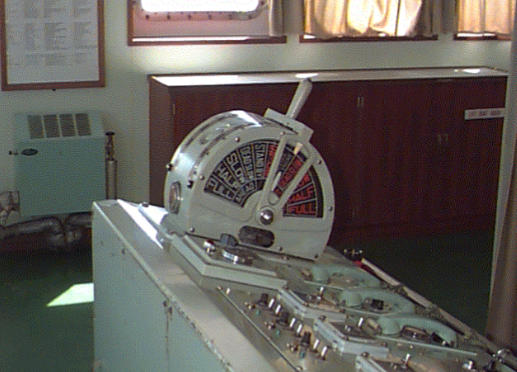
What does the picture show?
The engine RPM indicator.
The bridge rudder indicator.
The bridge engine telegraph.
An automatic signal control.
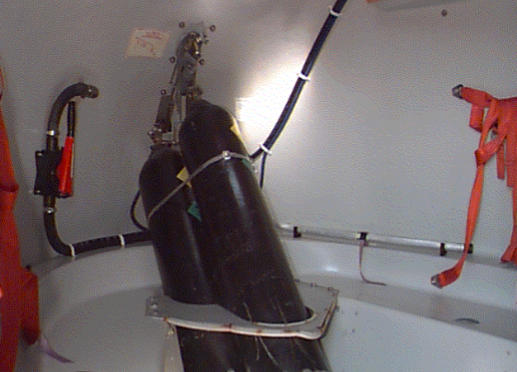
What does the picture show?
Lifeboat fire extinguishers.
Enclosed lifeboat emergency air supply.
Breathing apparatus air tanks.
CO2 supply in case of fire.
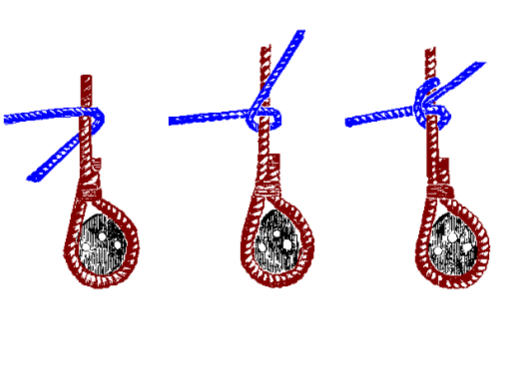
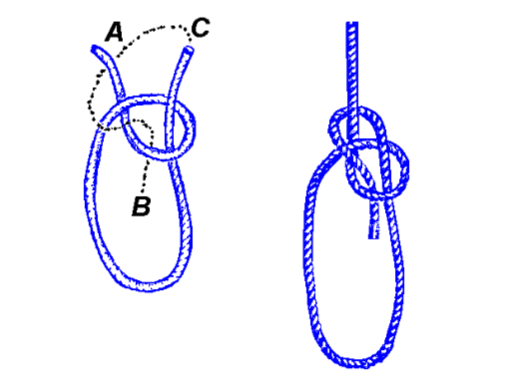
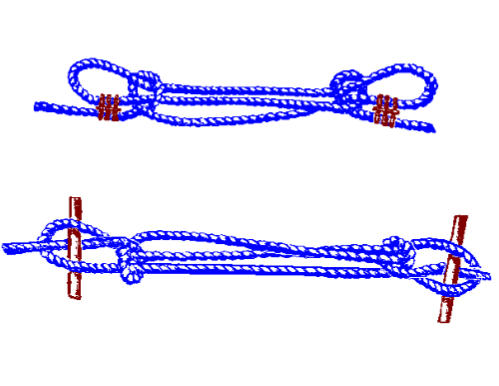
What is the name of the knot shown in the drawing?
A clove hitch.
A rolling hitch.
A half hitch.
A timber hitch.
What is the name of the knot shown in the drawing?
A carrick bend.
A bowline.
A sheet bend.
A marlin spike hitch.
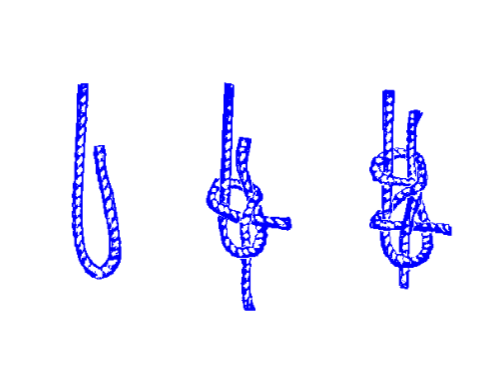
What is the name of the knot shown in the drawing?
A sheepshank.
A bowline.
A sheet bend.
A figure of eight.
What is the name of the knot shown in the drawing?
A catspaw.
A double sheet bend.
A reef knot.
A clove hitch.
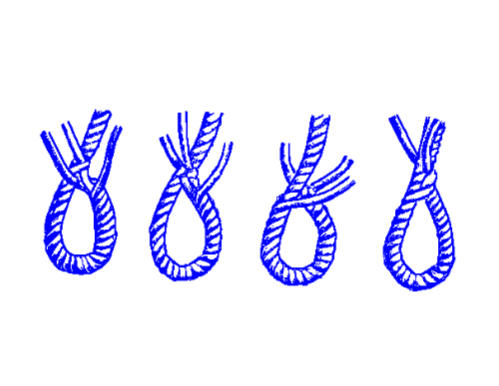
What sort of splice is shown in the drawing?
A long splice.
A short splice.
An eye splice.
A back-splice.
What sort of blocks does the picture shows?
Gin blocks.
Snatch blocks.
Cargo blocks.
Handy billies.
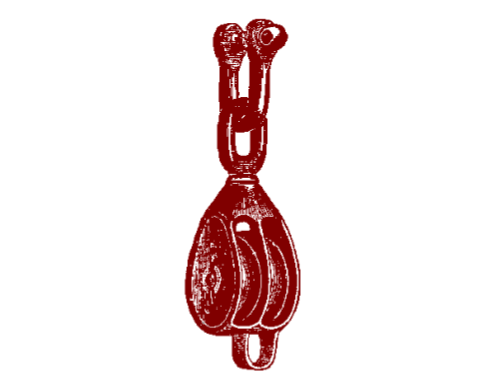
What do you call the item shown in the picture?
A threefold purchase.
A single sheeve block.
A double sheeve metal block.
A snatch block.
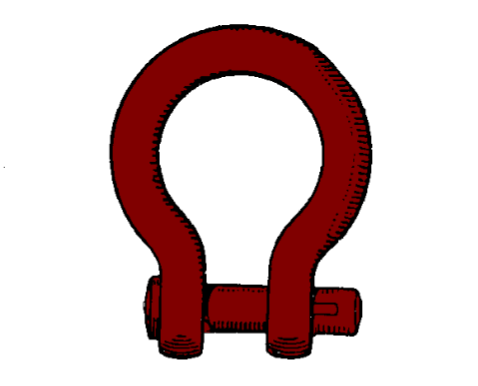
What sort of shackle is shown here?
The crown shackle.
The joining shackle.
The anchor shackle.
The kenter shackle.
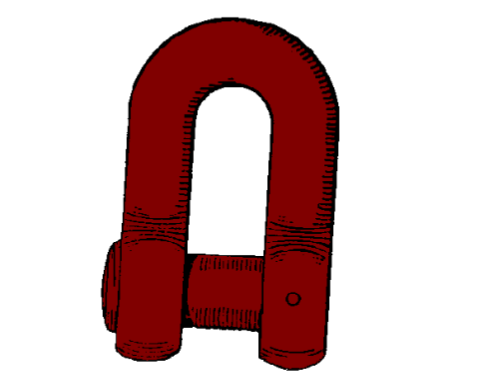
What part of the anchor is shown here?
The joining shackle.
The lugless shackle.
The kenter shackle.
The crown shackle.
What is the name of the hatch part "A"?
The track wheel.
The hatch cover wheel.
The eccentric wheel.
The rotator wheel.
What part of the ship's hull is shown here?
The bulwark.
The inside shell.
The topside.
The sheer strake.
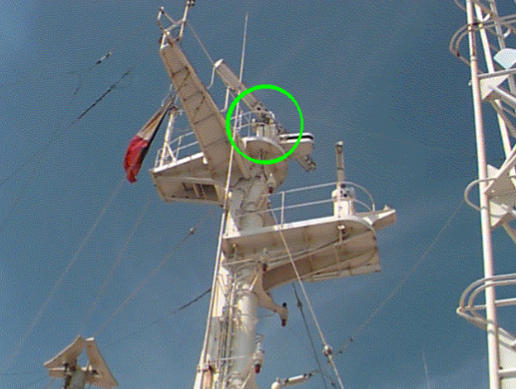
What is the circled part of the picture?
A wind indicator.
The main radio antenna.
A radar scanner.
A direction finder antenna.
What does the circled part of the picture show?
A fair lead.
Mooring bitts.
A panama lead.
A capstan.
What part of the ship is shown inside the circle?
A stanchion.
An angle iron.
A stiffener.
A bay.
What is the hand lead line used for?
Taking soundings around the vessel when in shallow waters.
Taking soundings before the vessel anchors.
Taking soundings when approaching port in fog.
Measuring the vessel's speed through the water.
Welcome to the website where you can pass online the Seafarer Evaluation Training System (SETS) test on «RS11E-Maritime English Section 1 – Equipment Vocabulary». Practice like this will help you as a marine specialist improve your knowledge with the help of online studying and appraisal practice. SETS based on practical information and marine specialists experience.
SETS tests developed for evaluating seaman basic knowledge by company “Naval Education Services” is an evaluating online-tool, used for revealing any professional preparation needed in specific fields of knowledge, defined by STCW Section A-V/1-2.
SETS tests have proven themselves as good tools for the selection and recruitment process, as well as advancing the level of knowledge of the current officers and crew.
Current test contains SETS questions in area «RS11E-Maritime English Section 1 – Equipment Vocabulary». Those questions can be used for competence verification specialist capable of preventing accidental situations related with transporting safety, or also for self-examination.
«RS11E-Maritime English Section 1 – Equipment Vocabulary» subject includes theoretical and practical information about advanced training for work on any type of vessel. This test is designed to evaluate a candidate’s comprehensive knowledge of essential maritime equipment terminology in English. It covers both understanding and application of vocabulary for navigation, safety and cargo systems. A significant portion of the exam focuses on identifying equipment from images and describing its specific function aboard a vessel. Test-takers must demonstrate their ability to correctly name and use terms related to deck machinery, such as winches, windlasses and mooring arrangements. Knowledge of safety equipment, including lifeboats, EPIRBs, SARTs, and fire-fighting apparatus, is rigorously assessed for proper spelling and usage. The exam includes scenarios where students must read and interpret equipment-related procedures or warnings in English. Practical communication skills are tested through short-answer questions that simulate giving or receiving commands about equipment operation. Successfully passing this test confirms a mariner’s linguistic competency to work safely and effectively with international crews on any type of ship.