Tanker Safety Training Specialised Level for Liquefied Gas Carriers
Objective and Scope of the Training
The specialised-level training in liquefied gas tanker safety constitutes an advanced instructional programme engineered for maritime personnel possessing foundational operational experience, including cargo officers and senior engineers, who are advancing towards higher-ranking duties. Its principal aim is the transcendence of elementary familiarisation through the provision of a profound and systematic comprehension of the multifaceted hazards intrinsic to the carriage of liquefied natural gas (LNG) and liquefied petroleum gas (LPG). The pedagogical framework is designed to endow participants with sophisticated knowledge and enhanced decision-making capabilities, which are indispensable for the proficient administration of complex cargo handling systems, the execution of comprehensive risk assessments and the assumption of elevated safety oversight responsibilities aboard these technically sophisticated vessels.
Key Components of the Curriculum
This advanced instructional programme encompasses an exhaustive spectrum of pivotal domains critical to the assurance of operational safety. The pedagogical architecture is organised into a series of thematically integrated modules, which include, but are not limited to, the following:
1 Advanced Cargo Operations:
An in-depth examination of processes pertaining to cargo conditioning, sequential loading and discharging protocols and integrated tank management, with particular emphasis on the utilisation of inert gas and vapour handling systems.
2 Containment System Integrity:
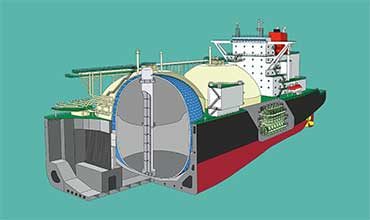
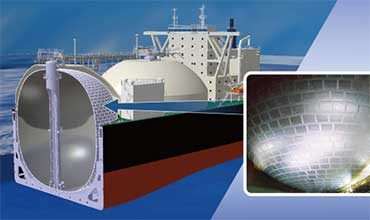
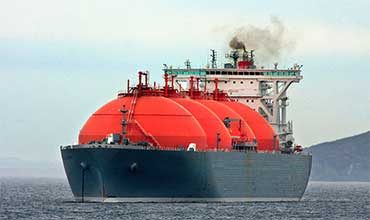
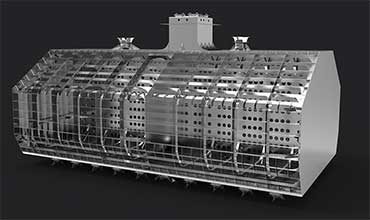
A meticulous investigation into the engineering principles, operational limitations and continuous monitoring imperatives associated with primary containment technologies, such as membrane and spherical systems.
3 Risk and Hazard Management:
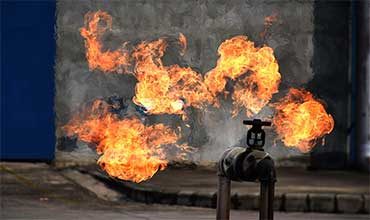
A systematic analysis of core peril parameters, encompassing flammability ranges, toxicity thresholds, cryogenic exposure consequences and the principles governing boil-off gas management.
4 Emergency Response Leadership:
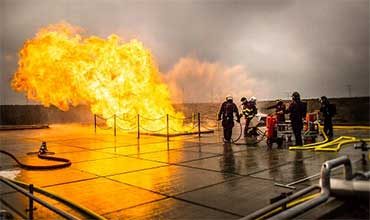
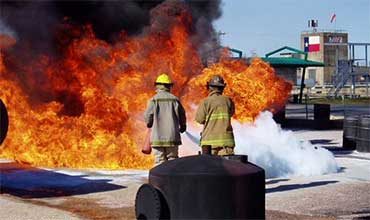
Instruction in the command hierarchy, strategic planning and tactical execution of complex contingency procedures for critical incident scenarios, including cargo containment failure, tank rollover phenomena and fire suppression.
5 Regulatory Framework:
A thorough scrutiny of the principal governing instrument, the International Gas Carrier (IGC) Code, supplemented by other pertinent international and national regulations dictating vessel design and operational parameters.
Outcome and Certification
The successful culmination of this specialised-level curriculum results in formal certification, attesting to the acquisition of advanced competencies as stipulated by prevailing international conventions, notably the Standards of Training, Certification and Watchkeeping (STCW). This certification is widely recognised as a fundamental prerequisite for securing the mandatory statutory endorsements required for appointment to senior cargo operations roles on board liquefied gas carriers. Consequently, the programme’s ultimate efficacy is demonstrated not merely in the elevation of technical proficiency, but in the cultivation of a pervasive and robust safety culture among key personnel, thereby ensuring the enhanced protection of the vessel, its crew and the marine environment against the distinctive risks presented by liquefied gas cargoes.