J-ENG Begins Development of Methanol-Fuelled UEC50LSJM Marine Engine
Japan Engine Corporation (J-ENG) has announced the start of development on a methanol-fuelled marine engine, designated UEC50LSJM. This project follows the successful completion of the company’s first ammonia-fuelled engine, the 7UEC50LSJA, in August 2025. In parallel, J-ENG is continuing work on a hydrogen-fuelled engine, the 6UEC35LSGH.
The company plans to complete the methanol engine by the end of fiscal year 2027, leveraging expertise gained from its ammonia and hydrogen projects to accelerate development.
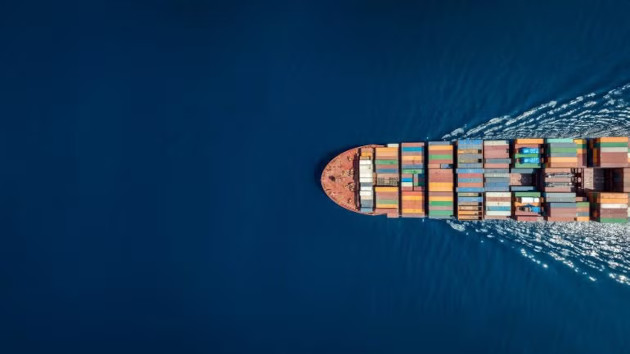
Source: Sven Hansche / Shutterstock.com.
Methanol is seen as an attractive alternative fuel because it remains liquid at room temperature and atmospheric pressure, making it easier to handle and store compared to some other options. It is suitable for a wide range of vessel types, including medium- and small-sized ships.
Using methanol can significantly reduce greenhouse gas (GHG) emissions, as well as sulphur oxides (SOx), nitrogen oxides (NOx), and particulate matter. In the future, the availability of green methanol—produced from biomass and renewable energy sources – could further decrease GHG emissions in the shipping industry.
J-ENG emphasized its commitment to developing and introducing next-generation fuel engines to support Japan’s shipping and shipbuilding sectors, contributing to GHG reduction and the goal of carbon neutrality by 2050.
Additionally, in October 2025, a consortium including Kawasaki Heavy Industries, Yanmar Power Solutions, and J-ENG conducted the world’s first land-based test operation of marine hydrogen engines at J-ENG’s headquarters factory, utilizing a newly installed liquefied hydrogen fuel supply system.