PowerCell’s Marine System 225 Receives Lloyd’s Register Type Approval for Hydrogen Fuel Cells
PowerCell, a provider of hydrogen electric solutions based in Sweden, has announced that its hydrogen fuel cell solution, Marine System 225, has received Type Approval from Lloyd’s Register.
This approval confirms that the Marine System 225 complies with strict maritime safety and performance standards, marking a significant step in the maritime industry’s transition to clean energy solutions.
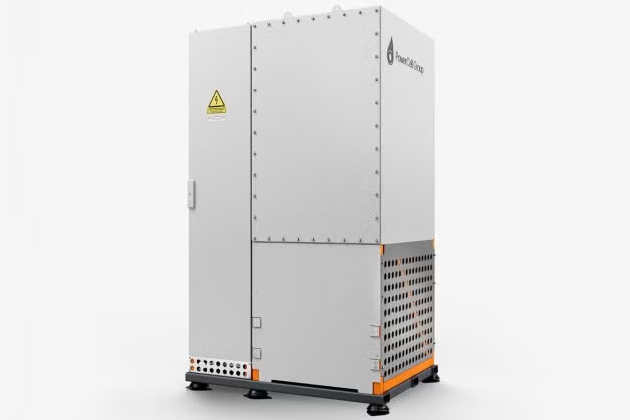
Source: PowerCell Sweden AB
The Marine System 225 is a crucial component of PowerCell’s fuel cell-based power solutions, designed specifically for the challenging marine environment. It provides 225 kW of clean, vibration-free power, and its modular design allows for easy integration into new vessels or retrofits.
This system enables shipowners and operators to meet or exceed the International Maritime Organization’s (IMO) decarbonization targets, comply with the EU Fit for 55 initiative, and gain a competitive edge as regulations tighten.
Lisa Kylhammar, Senior Vice President of PowerCell Group Engineering, stated:
“This Type Approval is not just a technical validation; it’s a strong signal to the maritime industry that hydrogen fuel cell systems are viable, safe, and ready for deployment at sea. We are proud to support the maritime sector in its transition towards zero-emission propulsion. Type approval is a key enabler to support and simplify the design, construction, and deployment of marine vessels.”
With the Type Approval from Lloyd’s Register, the Marine System 225 creates opportunities for commercial projects and pilot programs across various types of vessels, including ferries and offshore support ships.
PowerCell will present this system at the Electric & Hybrid Marine Expo in Amsterdam from June 24-26, 2025.
Additionally, Lloyd’s Register has recently approved the use of ammonia dual-fuel systems on new medium gas carriers for the Singaporean commodity trading company, Trafigura. This follows a successful joint development project aimed at designing ammonia dual-fuel systems. The approved vessels, equipped with WinGD engines and Alfa Laval’s Ammonia Release Mitigation System, will transport both liquefied petroleum gas and ammonia.