Ruby Cargo Ship Seeks Port of Klaipeda Entry for Repairs Amid Safety Concerns
The cargo ship Ruby, which previously stirred controversy in Tromsø, Norway due to its dangerous cargo of ammonium nitrate, is now seeking permission to dock at the Port of Klaipeda, Lithuania. The vessel suffered damage to its rudder and propeller, which led it to seek refuge in Norway. Currently, the Ruby is registered in Malta and managed from the UAE, with DNV GL handling its class reviews and evaluating potential solutions.
The Ruby, a 37,000 dwt ship, was loaded with 20,000 tons of ammonium nitrate in August. This compound is highly volatile and has been linked to past explosions, such as the one in Beirut four years ago. The cargo, originally loaded in Russia, was destined for the Canary Islands.
Norwegian authorities have been in discussions with Malta and DNV since the ship was found to be damaged, although details about the damage’s cause and timing remain unclear. The Ruby had sought shelter in Norway from an Arctic storm and was allowed to dock in Tromsø. However, once the dangerous nature of its cargo was made public, Norwegian authorities ordered the ship to leave the port.
Source: Port Authority
The Ruby is currently anchored about two miles southeast of Vannøy, Norway, where a 500-meter safety zone has been established around it. Norwegian officials believe this distance is sufficient to ensure public safety.
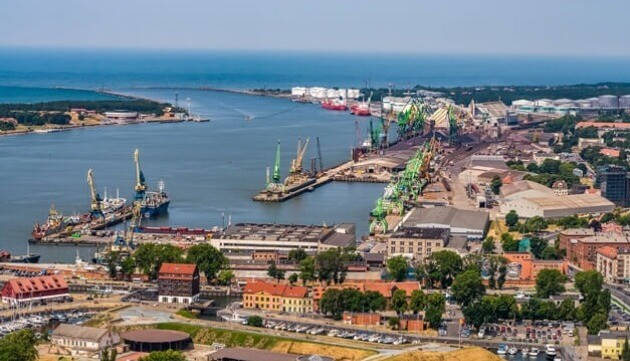
The Klaipeda State Seaport Authority has confirmed that the Ruby has requested permission to enter the port. The plan is to unload the ammonium nitrate and then move the ship to a local shipyard for repairs. Authorities in Klaipeda are carefully assessing the situation and will make a decision soon.
The vessel’s AIS signal indicates it is heading toward Andenes, a small settlement in northern Norway, and is expected to arrive on September 12. This could be for replenishing supplies or crew relief.
Norwegian authorities maintain that the Ruby, after being repositioned, poses no greater risk than during normal operations. They continue to monitor the situation and stay in contact with Maltese and DNV authorities to explore any available solutions.