Purpose-Built Ship: A New Wave of Maritime Innovation

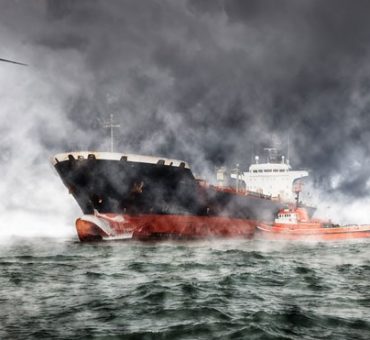
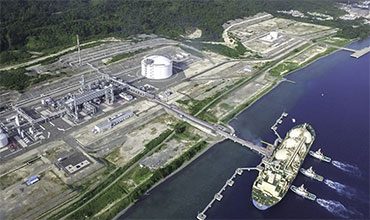
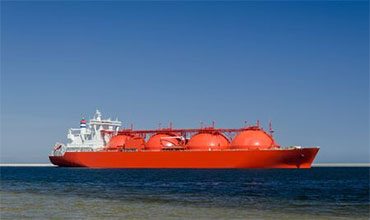
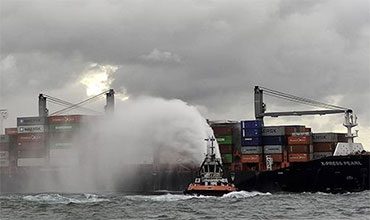
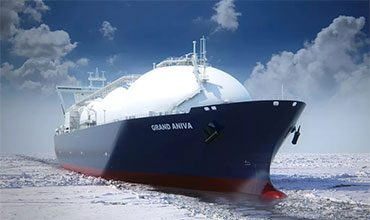
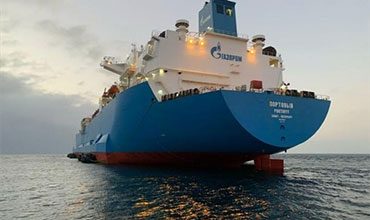
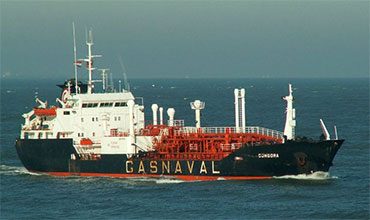
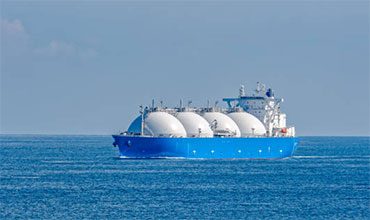
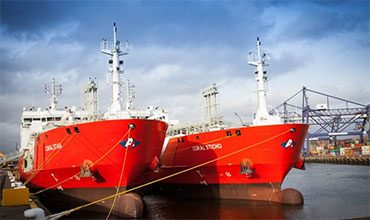
The marine industry is witnessing a paradigm shift in craft design and construction. Gone are the days of multi-purpose ships attempting to fulfill various roles with compromised efficiency. The advent of purpose-built freighters marks a revolutionary approach to addressing definitive seafaring challenges and operational requirements. The task-definite boats are meticulously engineered to excel in their appointed functions, whether it be deep-sea research, offshore wind farm maintenance or specialized cargo transport.

Innovative Design and Cutting-Edge Technology

At the heart of this revolution lies the fusion of innovative arrangement principles and cutting-edge progress. Naval architects and seagoing engineers are pushing the boundaries of craft building, incorporating advanced materials, propulsion systems and digital equipments to create vessels that are not only highly efficient but also ecologically sustainable. From hull shapes optimized for specific sea conditions to integrated automation systems that enhance practical safety and bring down crew requirements, these specially made crafts represent the pinnacle of seafaring engineering.

Economic and Environmental Benefits

The shift towards task-specific boats brings forth a myriad of economic and recyclable advances. By tailoring freighters to specific operations, companies can significantly reduce operating prices, improve fuel efficiency and minimize environmental impact. Moreover, such specialized vessels often require smaller crews, leading to lower labor costs and enhanced safety protocols. As the maritime industry faces increasing pressure to diminish its carbon footprint, made-to-order crafts are paving the way for a more sustainable and efficient future in global shipping and seagoing operations.
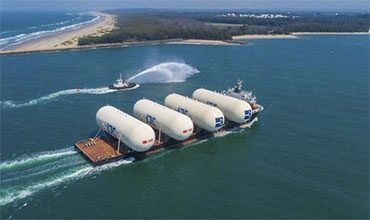
Special Requirements for LPG Carriers to Sail Cargo on Danube River 1876
Risks and Compliance for Environment for Liquefied Petroleum Gas Operations within Inland Waterways 3377
Characteristics, Maintenance of Liquefied Petroleum Gas Vessels and Hull Integrity Management 2774
Fatigue Analysis Methodology and Damage Calculations of Structural Details specific to the VLGS 1625
Site Team Supervision and Training on the Liquefied Petroleum Gas Vessel Newbuilding 1553
Basic Info about Liquefied Petroleum Gas Vessels and Risks while Shipping a Cargo 2100
Prospects of Liquefied Petroleum Gas Industry and Why it is a Growing Market 1395
The State of Global Liquefied Petroleum Gas Market in XXI Century 1316
Hazards and Risks in Usage of Land Transport in Oil and Gas Industry 2057
Safety while Working on Marine Transport Over Water and Under Water 2147
Emergency Management and Methods of Handling Sudden or Unexpected Situations 2937
How to Prevent Fire and Explosion or How to Minimize Effects of it 2274
Hazards, Risks and Controls Available for Operating Boilers and Furnaces 2071
Hydrocarbon Process Safety – Fire Hazards, Risks and Controls 2033
Hazards, Risks and Controls available for Safe Containment of Hydrocarbons 2532
Safety Critical Equipment Controls in Oil and Gas Industry 3858
Weld Failures and Weld Testing Techniques in Oil and Gas Industry 1128
Types of Failure Modes that may lead to Loss of Containment from Hydrocarbons 1693
Safe Start-up and Shut-down of Hydrocarbon Containing Equipment and Processes 1300
Plant Operation and Maintenance of Hydrocarbon Containing Equipment and Processes 1863
Principles of Shift Changeover Process and Why it is Important 1990
Everything you need to know about Permit-to-Work System, Manual about PTW 5089
An Organization’s Documented Evidence to Provide a Convincing and Valid Argument that a System is Adequately Safe 1977
Investigating Incidents, effective identification of the root causes and making recommendations for improvement 4033
Common Hazards and Risk Assessment in Oil and Gas Industry 2969
Risk Management Techniques used in the Oil and Gas Industries 3077
Usage of Contractors in the Liquefied Petroleum Gas Industry 1973
All you need to know about Process Safety Management in Liquefied Petroleum Gas Industry 2504
Transportation of the Petroleum Gas and Amonia Cargoes on the Fully-Refrigerated LPG Ships 4203
Basic Info about Liquefied Petroleum Gas Transportation on the LPG tankers 3481
Load more * * *