.
Site categories

Purpose-Built Ship: A New Wave of Maritime Innovation

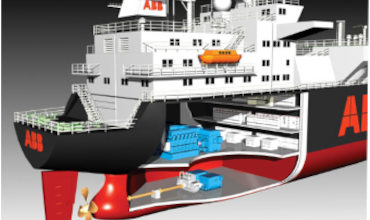
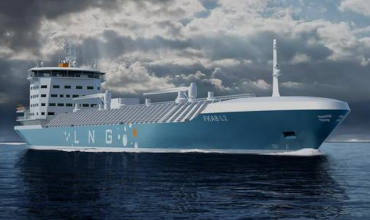
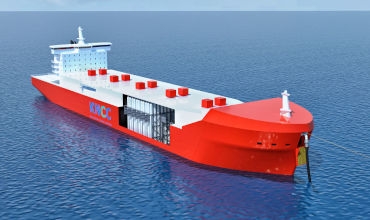
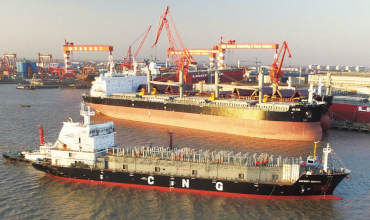
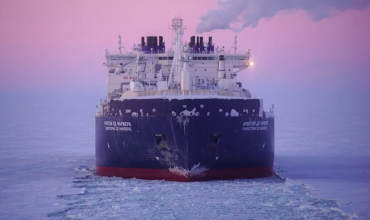
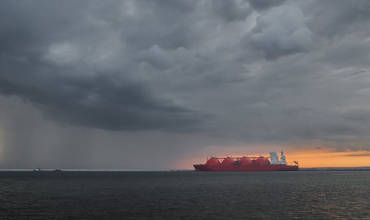
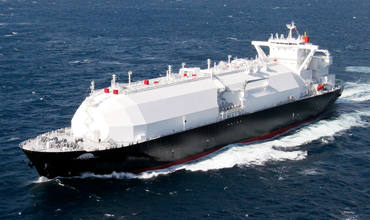
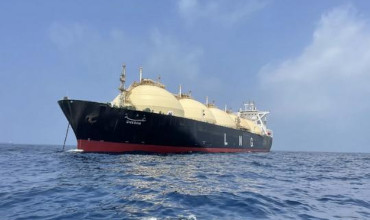
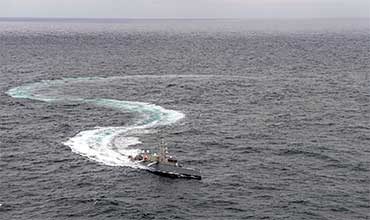
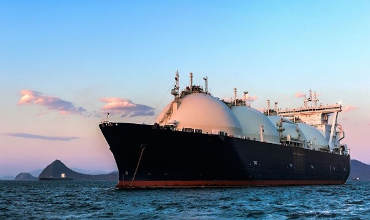
The marine industry is witnessing a paradigm shift in craft design and construction. Gone are the days of multi-purpose ships attempting to fulfill various roles with compromised efficiency. The advent of purpose-built freighters marks a revolutionary approach to addressing definitive seafaring challenges and operational requirements. The task-definite boats are meticulously engineered to excel in their appointed functions, whether it be deep-sea research, offshore wind farm maintenance or specialized cargo transport.

Innovative Design and Cutting-Edge Technology

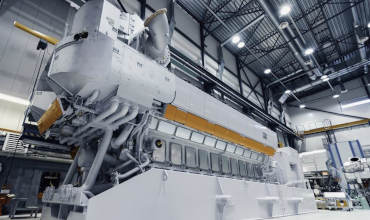
At the heart of this revolution lies the fusion of innovative arrangement principles and cutting-edge progress. Naval architects and seagoing engineers are pushing the boundaries of craft building, incorporating advanced materials, propulsion systems and digital equipments to create vessels that are not only highly efficient but also ecologically sustainable. From hull shapes optimized for specific sea conditions to integrated automation systems that enhance practical safety and bring down crew requirements, these specially made crafts represent the pinnacle of seafaring engineering.

Economic and Environmental Benefits

The shift towards task-specific boats brings forth a myriad of economic and recyclable advances. By tailoring freighters to specific operations, companies can significantly reduce operating prices, improve fuel efficiency and minimize environmental impact. Moreover, such specialized vessels often require smaller crews, leading to lower labor costs and enhanced safety protocols. As the maritime industry faces increasing pressure to diminish its carbon footprint, made-to-order crafts are paving the way for a more sustainable and efficient future in global shipping and seagoing operations.
Fuelling the Future – Powering the LNG Carriers 647
Dual-Fuel-Electric LNG Carrier Propulsion 787
Overview of Alternative Propulsion Systems for the LNG Vessel 1407
The New Generation of Liquefied Natural Gas Carriers – Basic Design Philosophy 1173
Weather-related Economics of Natural Gas Transport for Two Propulsion Plant Configurations 1272
Technical Considerations in the Classing of Vessels Intended to Carry Compressed Natural Gas 1334
Compressed Natural Gas Carriers Applied to Remote Marginal Gas Field Developments 1631
Natural Gas Transportation in the Form of Hydrate Pellets (NGHP) 1260
Wave and Impact Loads in Design of Large and Conventional Liquefied Gas Carriers 1197
Det Norske Veritas Fatigue Analysis of Natural Gas Carriers 1238
Condition Assessment Program for Liquefied Gas Carriers (CAP LNG) 1909
Dynamic Strength Analysis for Membrane Type LNG Containment System Due to Sloshing Impact Load 1511
Coupling Between Liquefied Gas and Vessel’s Motion for Partially Filled Tanks Effect on Seakeeping 971
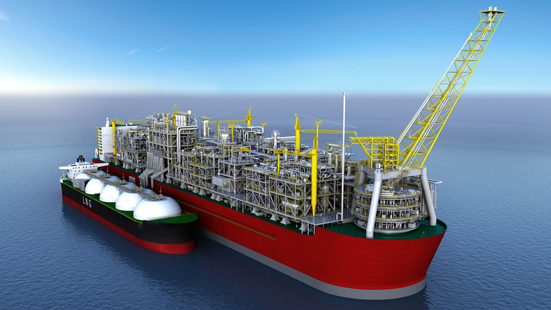
Development of the FLNG and FONG for Gas Extraction 1368
Maximising LNG Efficiency Through the Use of Foul Release Coatings 776
Manning and Operational Standards for the Liquefied Gas Carriers 1304
Planning the Design, Construction and Operation of New LNG Transportation Systems 1606
History and Future Predictions of the Liquefied Natural Gas Shipping 1411
Separation of the Gas Produced in Field from Unnecessary Components 2070
Gas Field Operation Problems and Methods to Deal With Them 1233
Complete Manual for Engineers about Dew Point Reservoirs 1764
Determination of Volumetric Flow Rates of Gas using Orifice Metering System and other Techniques 1463
Perform of Total System Analysis in NG Production Operations 957
Usage of Natural Gas Compressors in the Gas Production Operations 1420
Performance of the Network of Pipes in Gas Industry 1245
Manual for Engineers to Calculate Amount of Gas in Reservoirs 1487
Best and Most Widely Methods to Perform Necessary Calculations with a Gas 1648
Everything about Natural Gas in Modern Industry 1405
Summary from Researches done with Vessel Simulator Tool (VeSim) 875
Real Example of Vessel Manoeuvering done with Vessel Simulator (VeSim) 1135
Load more * * *