.
Site categories

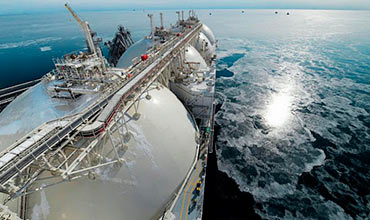
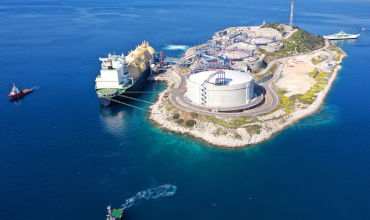
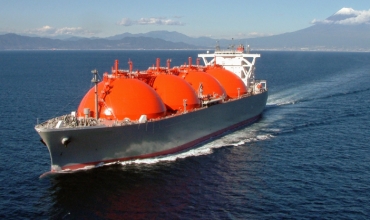
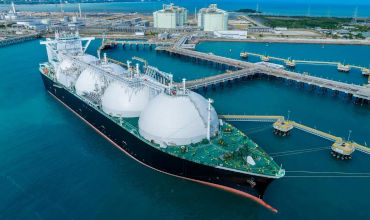
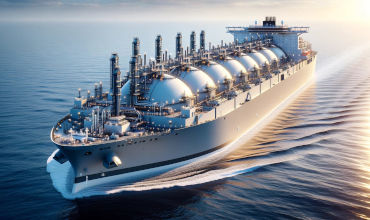
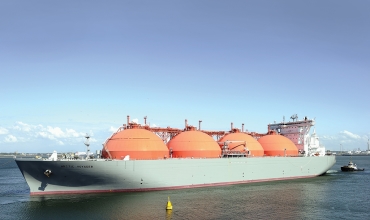
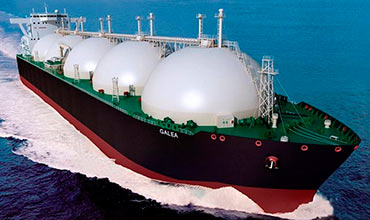
Purpose-Built Ship: A New Wave of Maritime Innovation

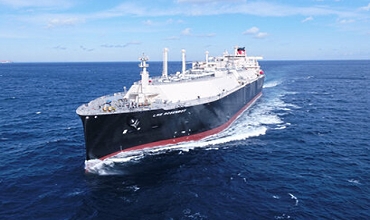
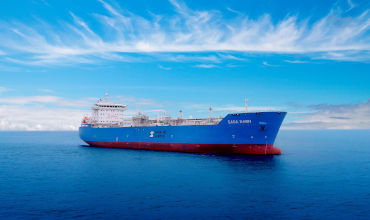
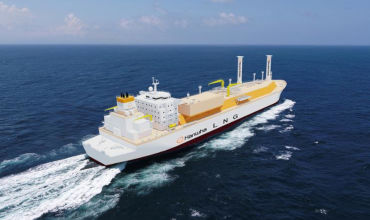
The marine industry is witnessing a paradigm shift in craft design and construction. Gone are the days of multi-purpose ships attempting to fulfill various roles with compromised efficiency. The advent of purpose-built freighters marks a revolutionary approach to addressing definitive seafaring challenges and operational requirements. The task-definite boats are meticulously engineered to excel in their appointed functions, whether it be deep-sea research, offshore wind farm maintenance or specialized cargo transport.

Innovative Design and Cutting-Edge Technology

At the heart of this revolution lies the fusion of innovative arrangement principles and cutting-edge progress. Naval architects and seagoing engineers are pushing the boundaries of craft building, incorporating advanced materials, propulsion systems and digital equipments to create vessels that are not only highly efficient but also ecologically sustainable. From hull shapes optimized for specific sea conditions to integrated automation systems that enhance practical safety and bring down crew requirements, these specially made crafts represent the pinnacle of seafaring engineering.

Economic and Environmental Benefits

The shift towards task-specific boats brings forth a myriad of economic and recyclable advances. By tailoring freighters to specific operations, companies can significantly reduce operating prices, improve fuel efficiency and minimize environmental impact. Moreover, such specialized vessels often require smaller crews, leading to lower labor costs and enhanced safety protocols. As the maritime industry faces increasing pressure to diminish its carbon footprint, made-to-order crafts are paving the way for a more sustainable and efficient future in global shipping and seagoing operations.

Ports, Terminals and Jetties – Role and Significance 925
Environmental management of ships during transportation of LNG/LPG gases 969
Other Characteristics Specific to Liquefied Gas Tankers 819
Liquefied Natural Gas Carrier Market Insights 818
Various Types of Liquefied Gas Tankers 1251
Demand, Supply, and Market Outlook of Liquefied Gas Global Trade 723
Merchant Shipping Safety – Access Regulations, Liability Act, and ILO Convention Ratifications 710
International Labour Organisation Conventions 147 and 152 1238
The International Trade LNG and LPG 1217
Personal health and safety crew members on board a gas carrier 1015
Ship to Shore Access Guidelines for Gas Terminal and Vessel Operators 935
Description of LNG technology and import system 1026
Liquefied Natural Gas Commercial Considerations 1425
Non-Standard and Emergency Operations on Liquefied Natural Gas Carriers 2756
Comprehensive Guide to Risk Assessment and Process Safety Management 1129
Industrial Production and use of Liquefied Gas on the First Tanker Carriers 1550
Ship to Ship (STS) Preparation and Manifold Connection for Transfer Operation 2052
Sources of ignition on ships carrying LNG/LPG 1287
Characteristics of Natural Liquefied Gases 864
Basics of Safety on Gas Carriers 1297
Health, Environment and Safety Management for LNG Transport 1634
Preparation, Operations, and Considerations of Liquefied Gas Tanks Aeration 1374
Gas Freeing of Cargo Tanks on Liquefied Natural Gas Carriers 1412
Efficient Liquefied Natural Gas Tank Warming Procedures 1541
Main Procedures and Best Practices of Liquefied Gas Discharge from LNG Carriers 2029
Strategies and Best Practices of Ballast Voyage for Liquefied Gas Carriers 1188
Managing Laden Voyages – BOG Management and Propulsion Systems for LNG Carriers 898
Step-by-Step Guide for Safe and Swift Loading of Liquefied Gas 1506
Cooldown of Cargo System on the Liquefied Gas Carriers 2248
Presentation on ABS Advanced Analysis 930
Load more * * *