.
Site categories

Purpose-Built Ship: A New Wave of Maritime Innovation

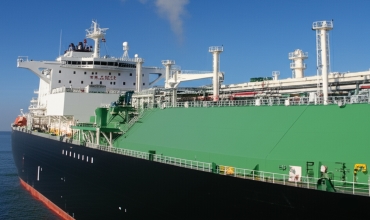
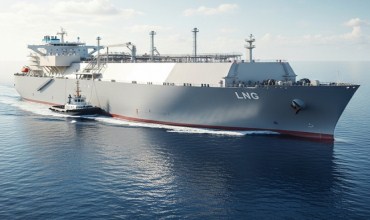
The marine industry is witnessing a paradigm shift in craft design and construction. Gone are the days of multi-purpose ships attempting to fulfill various roles with compromised efficiency. The advent of purpose-built freighters marks a revolutionary approach to addressing definitive seafaring challenges and operational requirements. The task-definite boats are meticulously engineered to excel in their appointed functions, whether it be deep-sea research, offshore wind farm maintenance or specialized cargo transport.

Innovative Design and Cutting-Edge Technology

At the heart of this revolution lies the fusion of innovative arrangement principles and cutting-edge progress. Naval architects and seagoing engineers are pushing the boundaries of craft building, incorporating advanced materials, propulsion systems and digital equipments to create vessels that are not only highly efficient but also ecologically sustainable. From hull shapes optimized for specific sea conditions to integrated automation systems that enhance practical safety and bring down crew requirements, these specially made crafts represent the pinnacle of seafaring engineering.

Economic and Environmental Benefits

The shift towards task-specific boats brings forth a myriad of economic and recyclable advances. By tailoring freighters to specific operations, companies can significantly reduce operating prices, improve fuel efficiency and minimize environmental impact. Moreover, such specialized vessels often require smaller crews, leading to lower labor costs and enhanced safety protocols. As the maritime industry faces increasing pressure to diminish its carbon footprint, made-to-order crafts are paving the way for a more sustainable and efficient future in global shipping and seagoing operations.

Guide LNG Bunkering Incident Reports Land Sea and Port Levels 257
LNG Rollover Causes and Damage Limitation Measures 399
Guide for LNG Maintenance and Operation – Standards, Systems, and Safety 406
Strategies for Effective LNG Bunkering Operations and Their Execution 494
LNG Bunkering Risk Assessment Worksheet Templates 259
How to Conduct Simultaneous Operations during LNG Bunkering 358
Key Considerations for Successful Bunkering Facility Development 341
Process Map & Organization of the LNG Bunkering 247
Comprehensive Overview of LNG Risk Management 371
Security Zones in LNG Bunkering: A Guide to Meaningful Protection 348
LNG Bunkering Guidelines: Comprehensive Insights and Best Practices for Operators 437
Key Aspects and Recommendations for the Safety Zone for LNG Bunkering 414
LNG Bunkering Hazardous Zone: Safety, Classification, and Control 381
Assessing the Safety Risks of LNG Bunkering 442
LNG Operating Regulations Including LNG Bunkering Gothenburg Energy Port 288
LNG Bunkering: Technical and Operational Advisory 426
Navigating the Complexities of an LNG Bunkering Permit 406
Comprehensive Overview of LNG: Scope, Characteristics, and Bunkering Solutions 426
LNG Bunkering Feasibility: An Analytical Framework 390
Essential Features for Safe Operations: Emergency Shut Down (ESD), Risk Assessment, and Hazard Analysis 391
Safe Working Practice at the Ship/Shore Interface with Particular Reference to Purging of Loading Arms 417
LNG Transfer Arms and Manifold Draining, Purging and Disconnection Procedure 420
Developing LNG Bunkering Facilities in Ports: Governance and Good Practice 471
Regulatory Frame Best Practice – Applicability in the Bunkering Interface 599
Maritime Standards Explained. A Focus on EN ISO 20519, ISO/TS 18683, and Supporting Guidelines 583
LNG Regulatory Framework International and European Maritime Safety Overview 785
Balancing Cleaner Fuel and Environmental Impact in LNG Emissions 753
LNG IMO Tanks/Containment Systems 908
The Role of LNG Bunkering Infrastructure 746
LNG (Liquefied Natural Gas) as Fuel 752
Load more * * *