.
Site categories

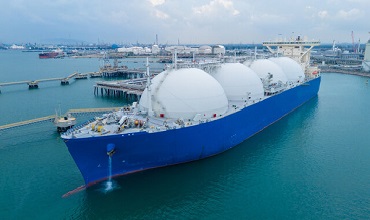
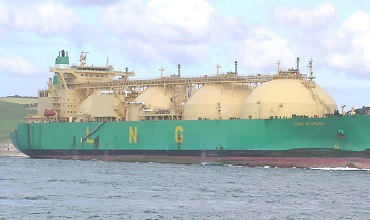
Purpose-Built Ship: A New Wave of Maritime Innovation

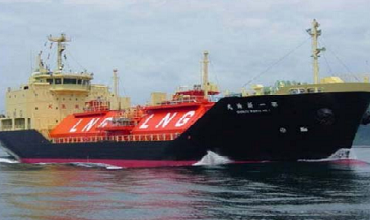
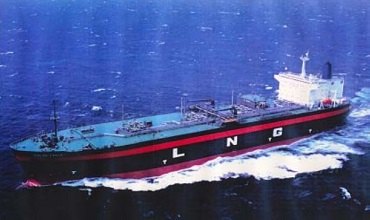
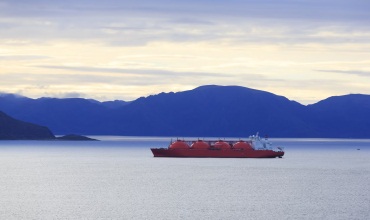
The marine industry is witnessing a paradigm shift in craft design and construction. Gone are the days of multi-purpose ships attempting to fulfill various roles with compromised efficiency. The advent of purpose-built freighters marks a revolutionary approach to addressing definitive seafaring challenges and operational requirements. The task-definite boats are meticulously engineered to excel in their appointed functions, whether it be deep-sea research, offshore wind farm maintenance or specialized cargo transport.

Innovative Design and Cutting-Edge Technology

At the heart of this revolution lies the fusion of innovative arrangement principles and cutting-edge progress. Naval architects and seagoing engineers are pushing the boundaries of craft building, incorporating advanced materials, propulsion systems and digital equipments to create vessels that are not only highly efficient but also ecologically sustainable. From hull shapes optimized for specific sea conditions to integrated automation systems that enhance practical safety and bring down crew requirements, these specially made crafts represent the pinnacle of seafaring engineering.

Economic and Environmental Benefits

The shift towards task-specific boats brings forth a myriad of economic and recyclable advances. By tailoring freighters to specific operations, companies can significantly reduce operating prices, improve fuel efficiency and minimize environmental impact. Moreover, such specialized vessels often require smaller crews, leading to lower labor costs and enhanced safety protocols. As the maritime industry faces increasing pressure to diminish its carbon footprint, made-to-order crafts are paving the way for a more sustainable and efficient future in global shipping and seagoing operations.
Reasons for Choosing High Voltage in Planning Power Systems for LNG Plants 738
Electrical Equipment for Hazardous Areas in LNG Applications 670
GT96 LNG Membrane System Special Locations and Pump Tower Install 1430
GT96 Membrane System Installation Protocols for LNG Containment 1158
Membrane Sheet Welding Procedure for LNG Containment Systems 963
Comprehensive Framework: Primary & Secondary Barrier Testing Protocols on LNG Tankers 1194
Comprehensive Procedure for Membrane Welding Tightness Testing (Ammonia Method) and LNG Tank Inspection 948
Tank Installation: Bonding, Insulation and Final Quality Check 779
Guidelines for Installing and Bonding Secondary Barrier Triplex in LNG 767
LNG Panel Erection and Sealing Techniques 897
Mastic Application Procedures for Mark III Containment Systems 888
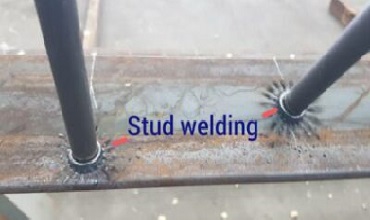
The Role of Welding Studs in Marine Stern Gear for LNG Carriers 645
Best Practices for Gas Tank Installation and Cargo Tank Insulation 1025
MARK III System: Hull and Deck Components for Marine Vessels 1058
Interbarrier Space Protection: Pressurization, Inertization and Scaffolding Techniques 978
Key Characteristics of Membrane Tanks Systems 1077
Welding of Stainless Steel for LNG Applications 688
Welding Challenges in Aluminum Alloys: Defects and Solutions 957
Aluminum Welding Techniques: Advanced Methods 600
Aluminum Alloy Properties and Characteristics 531
Type “C” Tank Design Advancements: Analysis and Future Developments 1240
Type “B” Prismatic Tanks Design and Analysis 1225
Independent Cargo Tanks 1802
New and Emerging LNG/CNG Markets 705
Strategic Approaches to LNG Import Project Commercial Agreements 747
Optimizing Local Content: From Definition to Delivery 669
Managing Liquefied Natural Gas Risks in the Marine Industry 933
Prevention of Environmental Pollution by Tankers in the Event of Chemical Spills 896
Emergency Procedures on Terminal and First Aid to Victims 922
Basic Knowledge of Safe Working Practices and Procedures in Accordance with Legislation and Industry Guidelines Relevant to Liquefied Gas Tankers 849
Load more * * *