Essential Reference Materials and Information for Deck Officers
Deck officer requires a comprehensive set of reference stuffs to effectively carry out their duties and ensure the safe missions of the vessel. This collection of assets includes:
- nautical charts;
- navigational publications;
- marine rules;
- assurance guidelines.
By maintaining a well-organized and up-to-date library of these essential details, mates are able quickly to access the info they need to make rational decisions and respond to various situations a certain may arise during their watch.
Core Reference Materials for Deck Officers
The keystone of a boatswain’s reference library is the current version of the International Regulations for Preventing Collisions at Sea (COLREGs), which establish the basis rules to safe navigation and collision avoidance. Additionally, an in-depth understanding of the vessel’s Safety Management System (SMS) manual is pivotal, offering comprehensive facts on protection procedures, emergency response protocols and risk management strategies.
Staying current with seafaring rulings, trade news and developments is of utmost importance beneficial to a deck officer. By maintaining an up-to-date knowledge of field trends and regulatory requirements, navigators are able significantly to enhance their proficiency and effectiveness in their roles.
Technological Resources and Data Channels for Deck Officers
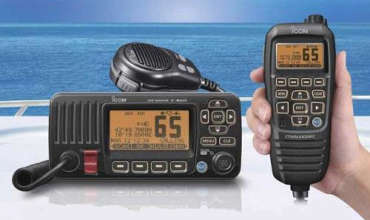
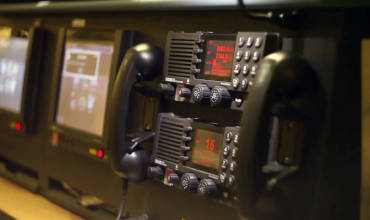
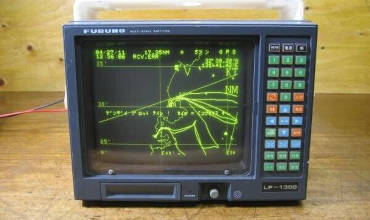
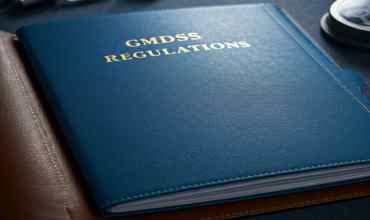
In today’s digital landscape, technology has become an integral component of seagoing operations. Assistants to the master should leverage professional resources such as Electronic Chart Display and Information Systems (ECDIS), which offer real-time navigational message, water depth data and hazard alerts. Additionally, the Global Maritime Distress and Safety System (GMDSS) serves as an indispensable communication tool that enables distress signaling and coordinated rescue efforts in emergencies.
A deck officer’s ability to proficiently navigate maritime operations is highly contingent upon their access to and comprehension of relevant reference mediums, official publications and technical means. By consistently updating their knowledge and staying informed about the latest industry advancements, deck officers can ensure that they are well-prepared to address any challenges that may arise during their seafaring journeys.