.
Site categories

LNG & LPG

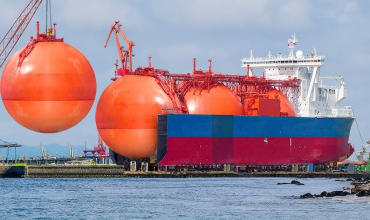
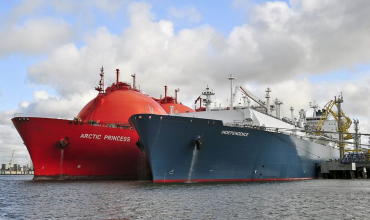
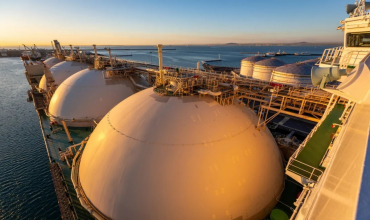
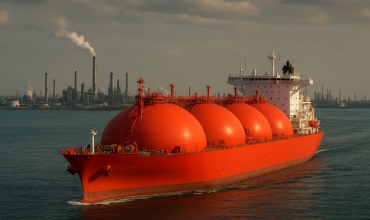
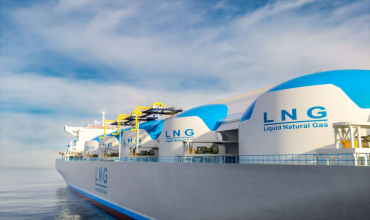
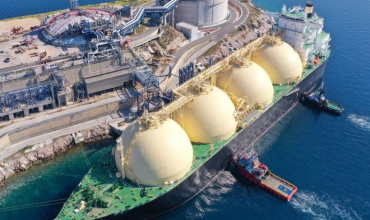
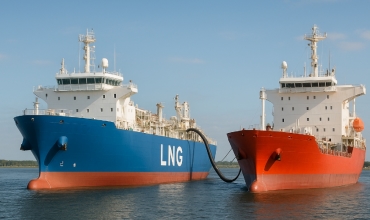
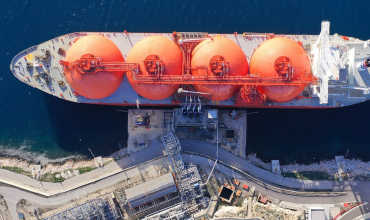
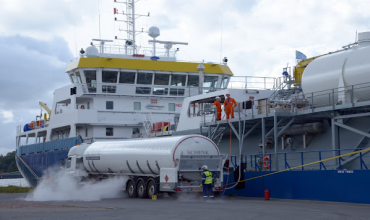
LNG (Liquefied Natural Gas) and LPG (Liquefied Petroleum Gas) are two types of gases which are go through a process of liquefaction for transportation and storage purposes. Although similar in their liquid state, they differ significantly in composition, usage, and production methods.

LNG (Liquefied Natural Gas)

LNG is primarily methane (CH4) gas that has been cooled to a temperature of approximately -162 degrees Celsius (-260 degrees Fahrenheit). At this temperature, methane condenses into a liquid form, which takes up about 1/600 th of the volume it occupies as a gas at standard atmospheric temperature and pressure. This significant reduction in volume makes LNG economical to transport over long distances where pipelines are not feasible, such as across oceans. LNG is used mainly for heating and as a fuel for electricity generation and is increasingly used in the transportation sector, especially for ships and heavy-duty vehicles.

LPG (Liquefied Petroleum Gas)

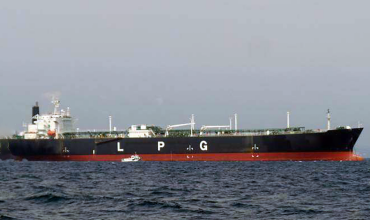
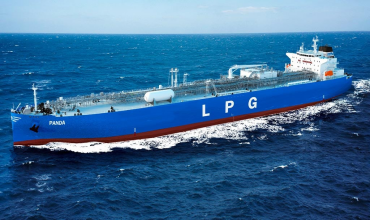
LPG is a mixture of propane (C3H8) and butane (C4H10), gases that are found naturally in crude oil and natural gas. LPG is produced during natural gas processing and oil refining. It is stored and transported in liquid form under moderate pressure, which makes it easier to store and handle compared to LNG. LPG is widely used as a fuel for heating, cooking, and in vehicles. It is also used in industrial applications and is a popular choice for portable cooking and heating equipment in areas not connected to a natural gas network.

Both LNG and LPG play crucial roles in the global energy supply, offering cleaner alternatives to traditional fossil fuels like coal and oil. They contribute significantly to reducing emissions and air pollution in various applications.

Understanding Liquefied Gas Manifolds – Size Categories, Positioning, and Specific Designs for LPG & LNG 638
LNG Marine Loading Arms and Manifold Draining, Purging and Disconnection Procedure 332
Guidelines on Conversion of Ship to LNG as Fuel 389
Mastering Natural Gas Fundamentals Properties Sources and Transport Insights 426
New and Emerging LNG/CNG Markets 293
Comprehensive Overview of LNG Import Projects 362
Comprehensive Guide to Local Content Policies and Infrastructure Development 312
Financing LNG Export Projects – Navigating Finance Risks 385
Maritime Decarbonization Ecology Innovation and the Path to Zero Emissions 434
LNG Market Dynamics – An In-Depth Exploration of Pricing, Contracts, and Current Trends 464
Gas Carrier Sector: A Comprehensive Update on Trade, Fleet, and Efficiency 410
LNG Facilities Assessment – Focusing on Environment, Social Impact, and Safety 287
Comprehensive Guide to LNG Project Development – Key Phases and Success Factors 338
Navigating LNG Project Structures – Frameworks, Policies, and Stakeholder Dynamics 377
Domestic Gas Infrastructure – Unlocking the Potential of LNG and Gas Value Chains 366
LNG Market Trends in Global Gas Dynamics 275
Cargo Calculation Methods – Strategies for Enhanced Efficiency 315
Propulsion Trends in LNG Carriers: The Shift from Steam to Dual-Fuel Diesel and Electric Systems 428
Guidelines for Chemical Cargo Handling – Procedures for Butane, Butadiene, VCM, and Oxide Mixtures 426
Efficient Cargo Tank Operations – Inerting, Purging and Cooling Techniques 360
LNG Bunkering Training Matrix: Competence Alignment Across Maritime and Port Operations 331
Best Practices and Strategies for Effective Cargo Tank Management 352
Essential Discharging Cargo Procedures for Maritime Operations 399
Liquid Cargo Transportation – Safety and Operational Efficiency 300
Guide to Certification, Accreditation, and Equipment Standards for LNG Bunkering 487
Liquid Transfer Pumps – Principles, Operation, and Associated Equipment 364
Inert Gas Systems – Design, Operation, Control Mechanisms 370
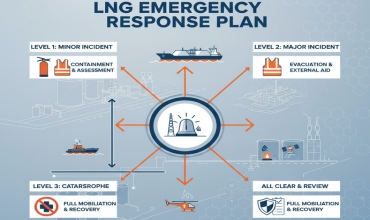
LNG Emergency, Preparedness & Response: Implementing a Robust Response Plan and OECD Guiding Principles 361
IMO Gas Code – Detailed Overview of the Gas Tank Rules 310
Responsibilities of the Personnel on LPG Tankers 350
Load more * * *