.
Site categories

LNG & LPG

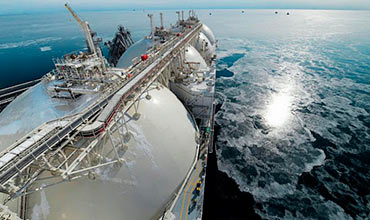
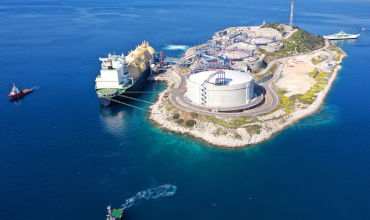
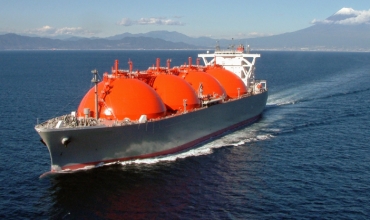
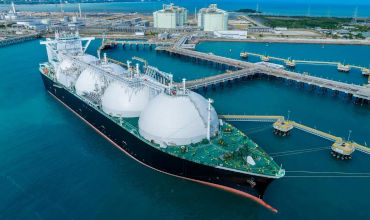
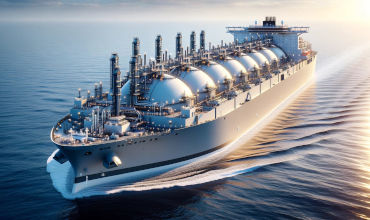
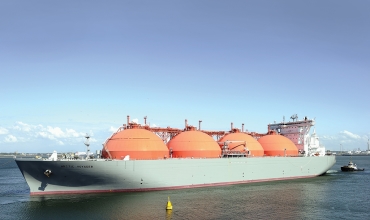
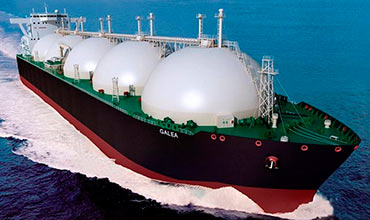
LNG (Liquefied Natural Gas) and LPG (Liquefied Petroleum Gas) are two types of gases which are go through a process of liquefaction for transportation and storage purposes. Although similar in their liquid state, they differ significantly in composition, usage, and production methods.

LNG (Liquefied Natural Gas)

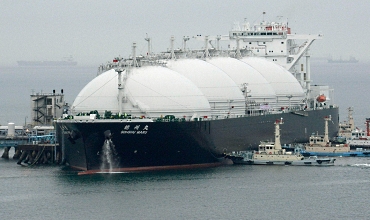
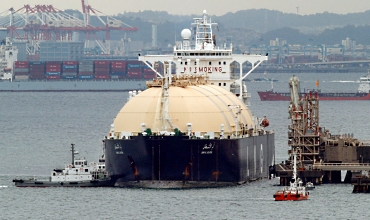
LNG is primarily methane (CH4) gas that has been cooled to a temperature of approximately -162 degrees Celsius (-260 degrees Fahrenheit). At this temperature, methane condenses into a liquid form, which takes up about 1/600 th of the volume it occupies as a gas at standard atmospheric temperature and pressure. This significant reduction in volume makes LNG economical to transport over long distances where pipelines are not feasible, such as across oceans. LNG is used mainly for heating and as a fuel for electricity generation and is increasingly used in the transportation sector, especially for ships and heavy-duty vehicles.

LPG (Liquefied Petroleum Gas)

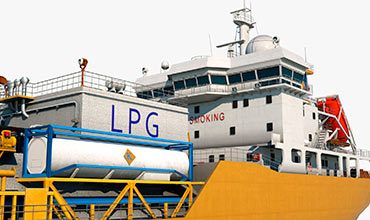
LPG is a mixture of propane (C3H8) and butane (C4H10), gases that are found naturally in crude oil and natural gas. LPG is produced during natural gas processing and oil refining. It is stored and transported in liquid form under moderate pressure, which makes it easier to store and handle compared to LNG. LPG is widely used as a fuel for heating, cooking, and in vehicles. It is also used in industrial applications and is a popular choice for portable cooking and heating equipment in areas not connected to a natural gas network.

Both LNG and LPG play crucial roles in the global energy supply, offering cleaner alternatives to traditional fossil fuels like coal and oil. They contribute significantly to reducing emissions and air pollution in various applications.

Ports, Terminals and Jetties – Role and Significance 953
Environmental management of ships during transportation of LNG/LPG gases 994
Other Characteristics Specific to Liquefied Gas Tankers 839
Liquefied Natural Gas Carrier Market Insights 842
Various Types of Liquefied Gas Tankers 1297
Demand, Supply, and Market Outlook of Liquefied Gas Global Trade 740
Merchant Shipping Safety – Access Regulations, Liability Act, and ILO Convention Ratifications 731
International Labour Organisation Conventions 147 and 152 1273
The International Trade LNG and LPG 1238
Personal health and safety crew members on board a gas carrier 1049
Ship to Shore Access Guidelines for Gas Terminal and Vessel Operators 952
Description of LNG technology and import system 1070
Liquefied Natural Gas Commercial Considerations 1465
Non-Standard and Emergency Operations on Liquefied Natural Gas Carriers 2831
Comprehensive Guide to Risk Assessment and Process Safety Management 1163
Industrial Production and use of Liquefied Gas on the First Tanker Carriers 1592
Ship to Ship (STS) Preparation and Manifold Connection for Transfer Operation 2095
Sources of ignition on ships carrying LNG/LPG 1322
Characteristics of Natural Liquefied Gases 894
Basics of Safety on Gas Carriers 1469
Health, Environment and Safety Management for LNG Transport 1687
Preparation, Operations, and Considerations of Liquefied Gas Tanks Aeration 1412
Gas Freeing of Cargo Tanks on Liquefied Natural Gas Carriers 1439
Efficient Liquefied Natural Gas Tank Warming Procedures 1584
Main Procedures and Best Practices of Liquefied Gas Discharge from LNG Carriers 2117
Strategies and Best Practices of Ballast Voyage for Liquefied Gas Carriers 1239
Managing Laden Voyages – BOG Management and Propulsion Systems for LNG Carriers 920
Step-by-Step Guide for Safe and Swift Loading of Liquefied Gas 1552
Cooldown of Cargo System on the Liquefied Gas Carriers 2311
Presentation on ABS Advanced Analysis 959
Load more * * *