.
Site categories

LNG & LPG

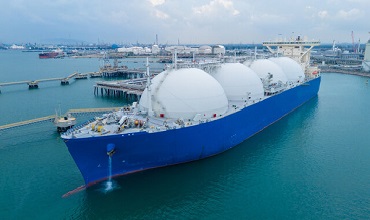
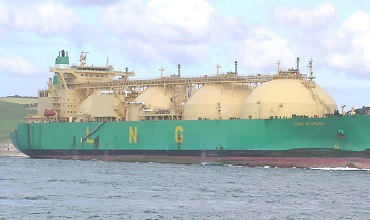
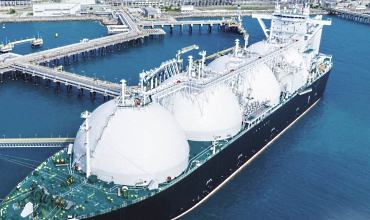
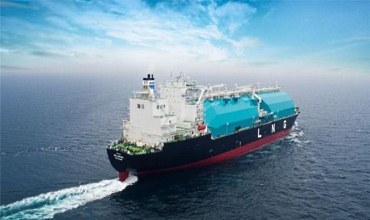
LNG (Liquefied Natural Gas) and LPG (Liquefied Petroleum Gas) are two types of gases which are go through a process of liquefaction for transportation and storage purposes. Although similar in their liquid state, they differ significantly in composition, usage, and production methods.

LNG (Liquefied Natural Gas)

LNG is primarily methane (CH4) gas that has been cooled to a temperature of approximately -162 degrees Celsius (-260 degrees Fahrenheit). At this temperature, methane condenses into a liquid form, which takes up about 1/600 th of the volume it occupies as a gas at standard atmospheric temperature and pressure. This significant reduction in volume makes LNG economical to transport over long distances where pipelines are not feasible, such as across oceans. LNG is used mainly for heating and as a fuel for electricity generation and is increasingly used in the transportation sector, especially for ships and heavy-duty vehicles.

LPG (Liquefied Petroleum Gas)

LPG is a mixture of propane (C3H8) and butane (C4H10), gases that are found naturally in crude oil and natural gas. LPG is produced during natural gas processing and oil refining. It is stored and transported in liquid form under moderate pressure, which makes it easier to store and handle compared to LNG. LPG is widely used as a fuel for heating, cooking, and in vehicles. It is also used in industrial applications and is a popular choice for portable cooking and heating equipment in areas not connected to a natural gas network.

Both LNG and LPG play crucial roles in the global energy supply, offering cleaner alternatives to traditional fossil fuels like coal and oil. They contribute significantly to reducing emissions and air pollution in various applications.
Reasons for Choosing High Voltage in Planning Power Systems for LNG Plants 780
Electrical Equipment for Hazardous Areas in LNG Applications 699
GT96 LNG Membrane System Special Locations and Pump Tower Install 1466
GT96 Membrane System Installation Protocols for LNG Containment 1193
Membrane Sheet Welding Procedure for LNG Containment Systems 1005
Comprehensive Framework: Primary & Secondary Barrier Testing Protocols on LNG Tankers 1260
Comprehensive Procedure for Membrane Welding Tightness Testing (Ammonia Method) and LNG Tank Inspection 987
Tank Installation: Bonding, Insulation and Final Quality Check 811
Guidelines for Installing and Bonding Secondary Barrier Triplex in LNG 792
LNG Panel Erection and Sealing Techniques 927
Mastic Application Procedures for Mark III Containment Systems 928
The Role of Welding Studs in Marine Stern Gear for LNG Carriers 674
Best Practices for Gas Tank Installation and Cargo Tank Insulation 1066
MARK III System: Hull and Deck Components for Marine Vessels 1081
Interbarrier Space Protection: Pressurization, Inertization and Scaffolding Techniques 1019
Key Characteristics of Membrane Tanks Systems 1105
Welding of Stainless Steel for LNG Applications 712
Welding Challenges in Aluminum Alloys: Defects and Solutions 993
Aluminum Welding Techniques: Advanced Methods 623
Aluminum Alloy Properties and Characteristics 548
Type “C” Tank Design Advancements: Analysis and Future Developments 1285
Type “B” Prismatic Tanks Design and Analysis 1268
Independent Cargo Tanks 1841
New and Emerging LNG/CNG Markets 719
Strategic Approaches to LNG Import Project Commercial Agreements 770
Optimizing Local Content: From Definition to Delivery 685
Managing Liquefied Natural Gas Risks in the Marine Industry 959
Prevention of Environmental Pollution by Tankers in the Event of Chemical Spills 924
Emergency Procedures on Terminal and First Aid to Victims 1017
Basic Knowledge of Safe Working Practices and Procedures in Accordance with Legislation and Industry Guidelines Relevant to Liquefied Gas Tankers 871
Load more * * *