.
Site categories

LNG & LPG

LNG (Liquefied Natural Gas) and LPG (Liquefied Petroleum Gas) are two types of gases which are go through a process of liquefaction for transportation and storage purposes. Although similar in their liquid state, they differ significantly in composition, usage, and production methods.

LNG (Liquefied Natural Gas)

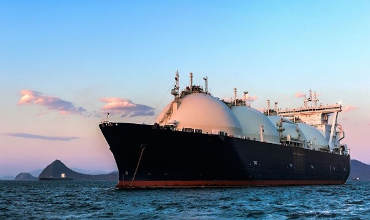
LNG is primarily methane (CH4) gas that has been cooled to a temperature of approximately -162 degrees Celsius (-260 degrees Fahrenheit). At this temperature, methane condenses into a liquid form, which takes up about 1/600 th of the volume it occupies as a gas at standard atmospheric temperature and pressure. This significant reduction in volume makes LNG economical to transport over long distances where pipelines are not feasible, such as across oceans. LNG is used mainly for heating and as a fuel for electricity generation and is increasingly used in the transportation sector, especially for ships and heavy-duty vehicles.

LPG (Liquefied Petroleum Gas)

LPG is a mixture of propane (C3H8) and butane (C4H10), gases that are found naturally in crude oil and natural gas. LPG is produced during natural gas processing and oil refining. It is stored and transported in liquid form under moderate pressure, which makes it easier to store and handle compared to LNG. LPG is widely used as a fuel for heating, cooking, and in vehicles. It is also used in industrial applications and is a popular choice for portable cooking and heating equipment in areas not connected to a natural gas network.

Both LNG and LPG play crucial roles in the global energy supply, offering cleaner alternatives to traditional fossil fuels like coal and oil. They contribute significantly to reducing emissions and air pollution in various applications.

Fuelling the Future – Powering the LNG Carriers 675
Dual-Fuel-Electric LNG Carrier Propulsion 819
Overview of Alternative Propulsion Systems for the LNG Vessel 1427
The New Generation of Liquefied Natural Gas Carriers – Basic Design Philosophy 1201
Weather-related Economics of Natural Gas Transport for Two Propulsion Plant Configurations 1311
Technical Considerations in the Classing of Vessels Intended to Carry Compressed Natural Gas 1364
Compressed Natural Gas Carriers Applied to Remote Marginal Gas Field Developments 1667
Natural Gas Transportation in the Form of Hydrate Pellets (NGHP) 1298
Wave and Impact Loads in Design of Large and Conventional Liquefied Gas Carriers 1224
Det Norske Veritas Fatigue Analysis of Natural Gas Carriers 1264
Condition Assessment Program for Liquefied Gas Carriers (CAP LNG) 1942
Dynamic Strength Analysis for Membrane Type LNG Containment System Due to Sloshing Impact Load 1546
Coupling Between Liquefied Gas and Vessel’s Motion for Partially Filled Tanks Effect on Seakeeping 994
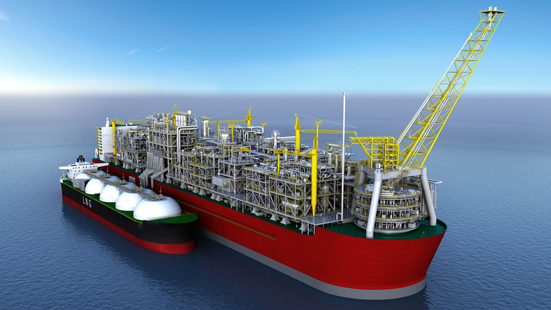
Development of the FLNG and FONG for Gas Extraction 1412
Maximising LNG Efficiency Through the Use of Foul Release Coatings 798
Manning and Operational Standards for the Liquefied Gas Carriers 1331
Planning the Design, Construction and Operation of New LNG Transportation Systems 1625
History and Future Predictions of the Liquefied Natural Gas Shipping 1425
Separation of the Gas Produced in Field from Unnecessary Components 2110
Gas Field Operation Problems and Methods to Deal With Them 1267
Complete Manual for Engineers about Dew Point Reservoirs 1828
Determination of Volumetric Flow Rates of Gas using Orifice Metering System and other Techniques 1496
Perform of Total System Analysis in NG Production Operations 981
Usage of Natural Gas Compressors in the Gas Production Operations 1474
Performance of the Network of Pipes in Gas Industry 1280
Manual for Engineers to Calculate Amount of Gas in Reservoirs 1519
Best and Most Widely Methods to Perform Necessary Calculations with a Gas 1695
Everything about Natural Gas in Modern Industry 1436
Summary from Researches done with Vessel Simulator Tool (VeSim) 902
Real Example of Vessel Manoeuvering done with Vessel Simulator (VeSim) 1169
Load more * * *