.
Site categories

LNG & LPG

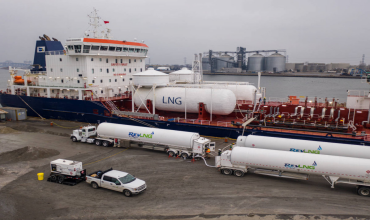
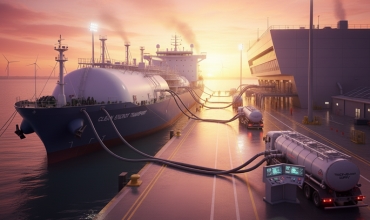
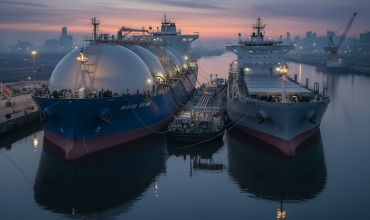
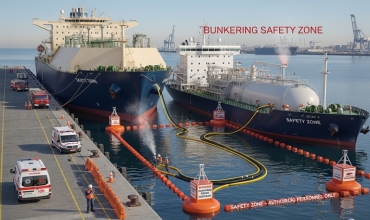
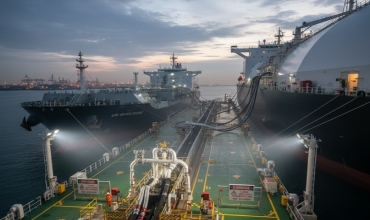
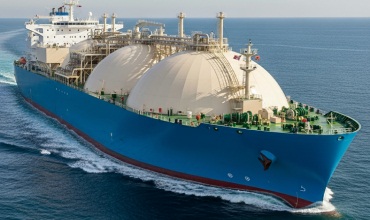
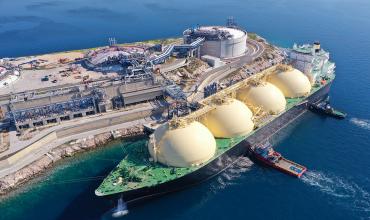
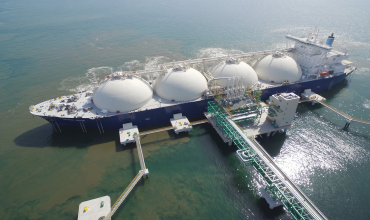
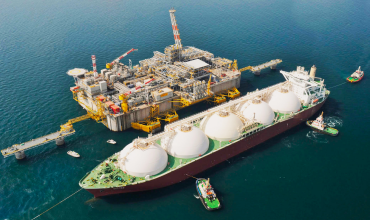
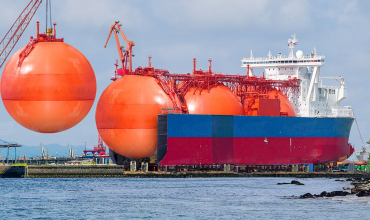
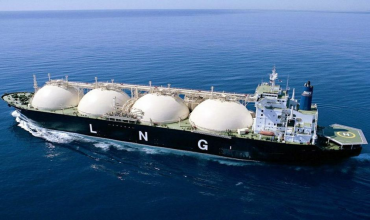
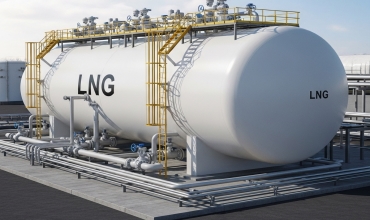
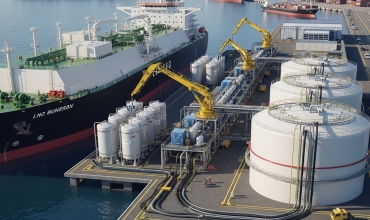
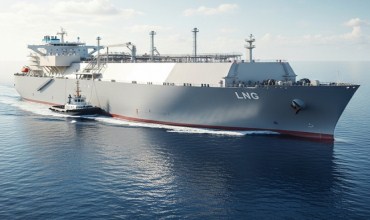
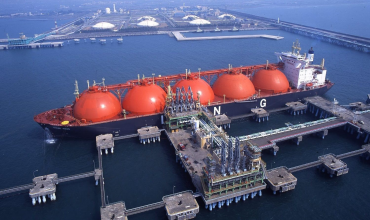
LNG (Liquefied Natural Gas) and LPG (Liquefied Petroleum Gas) are two types of gases which are go through a process of liquefaction for transportation and storage purposes. Although similar in their liquid state, they differ significantly in composition, usage, and production methods.

LNG (Liquefied Natural Gas)

LNG is primarily methane (CH4) gas that has been cooled to a temperature of approximately -162 degrees Celsius (-260 degrees Fahrenheit). At this temperature, methane condenses into a liquid form, which takes up about 1/600 th of the volume it occupies as a gas at standard atmospheric temperature and pressure. This significant reduction in volume makes LNG economical to transport over long distances where pipelines are not feasible, such as across oceans. LNG is used mainly for heating and as a fuel for electricity generation and is increasingly used in the transportation sector, especially for ships and heavy-duty vehicles.

LPG (Liquefied Petroleum Gas)

LPG is a mixture of propane (C3H8) and butane (C4H10), gases that are found naturally in crude oil and natural gas. LPG is produced during natural gas processing and oil refining. It is stored and transported in liquid form under moderate pressure, which makes it easier to store and handle compared to LNG. LPG is widely used as a fuel for heating, cooking, and in vehicles. It is also used in industrial applications and is a popular choice for portable cooking and heating equipment in areas not connected to a natural gas network.

Both LNG and LPG play crucial roles in the global energy supply, offering cleaner alternatives to traditional fossil fuels like coal and oil. They contribute significantly to reducing emissions and air pollution in various applications.

Guide LNG Bunkering Incident Reports Land Sea and Port Levels 300
LNG Rollover Causes and Damage Limitation Measures 423
Guide for LNG Maintenance and Operation – Standards, Systems, and Safety 433
Strategies for Effective LNG Bunkering Operations and Their Execution 549
LNG Bunkering Risk Assessment Worksheet Templates 281
How to Conduct Simultaneous Operations during LNG Bunkering 399
Key Considerations for Successful Bunkering Facility Development 371
Process Map & Organization of the LNG Bunkering 271
Comprehensive Overview of LNG Risk Management 412
Security Zones in LNG Bunkering: A Guide to Meaningful Protection 374
LNG Bunkering Guidelines: Comprehensive Insights and Best Practices for Operators 474
Key Aspects and Recommendations for the Safety Zone for LNG Bunkering 460
LNG Bunkering Hazardous Zone: Safety, Classification, and Control 410
Assessing the Safety Risks of LNG Bunkering 467
LNG Operating Regulations Including LNG Bunkering Gothenburg Energy Port 320
LNG Bunkering: Technical and Operational Advisory 475
Navigating the Complexities of an LNG Bunkering Permit 429
Comprehensive Overview of LNG: Scope, Characteristics, and Bunkering Solutions 456
LNG Bunkering Feasibility: An Analytical Framework 412
Essential Features for Safe Operations: Emergency Shut Down (ESD), Risk Assessment, and Hazard Analysis 420
Safe Working Practice at the Ship/Shore Interface with Particular Reference to Purging of Loading Arms 444
LNG Transfer Arms and Manifold Draining, Purging and Disconnection Procedure 439
Developing LNG Bunkering Facilities in Ports: Governance and Good Practice 494
Regulatory Frame Best Practice – Applicability in the Bunkering Interface 624
Maritime Standards Explained. A Focus on EN ISO 20519, ISO/TS 18683, and Supporting Guidelines 613
LNG Regulatory Framework International and European Maritime Safety Overview 852
Balancing Cleaner Fuel and Environmental Impact in LNG Emissions 800
LNG IMO Tanks/Containment Systems 979
The Role of LNG Bunkering Infrastructure 782
LNG (Liquefied Natural Gas) as Fuel 786
Load more * * *