Design and Operation of LPG Ships: Systems and Safety Protocols
Core Vessel Systems Architecture
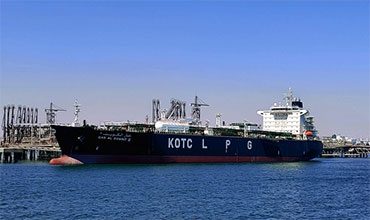
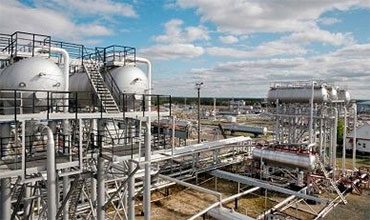
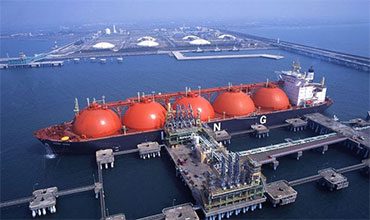
The operational framework of modern LPG carriers integrates multiple sophisticated engineering systems. Principal configurations incorporate cargo handling arrangements with specialized pumping and piping networks, alongside propulsion plants utilizing diesel or turbine technologies. Auxiliary systems encompass power generation installations and ballast management equipment, while integrated control systems ensure coordinated navigation and cargo operations. These interconnected systems form the fundamental technological basis for vessel functionality and performance optimization.
Cargo Containment Integrity Management
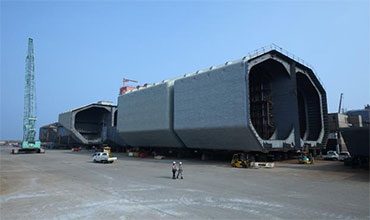
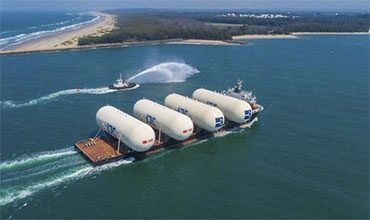
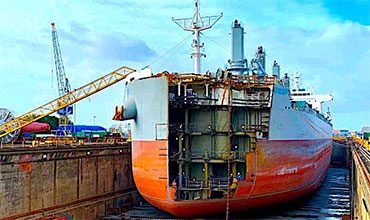
Maintaining structural integrity requires comprehensive engineering solutions and continuous monitoring. Advanced materials resistant to cryogenic temperatures and thermal stresses form the primary containment barrier. Regular non-destructive testing methodologies, including ultrasonic thickness measurements and visual inspections, verify structural soundness. Pressure and temperature monitoring instrumentation provides real-time operational data, while systematic maintenance protocols ensure long-term reliability and compliance with classification society requirements.
Operational Safety Implementation Framework
Safety management incorporates multiple integrated protocols and systems:
- Inert gas generation and distribution systems.
- Emergency shutdown installations.
- Fire detection and suppression equipment.
- Personal protective equipment requirements.
- Emergency response procedures and training drills.
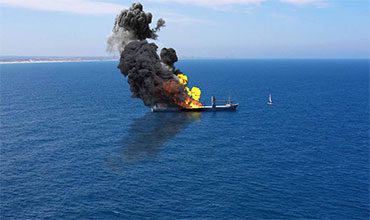
These elements collectively address potential hazards including fire risks, toxic releases and pressure-related emergencies through preventive and mitigative measures.
Regulatory Compliance Governance
International maritime regulations establish stringent requirements for LPG carrier operations. The International Maritime Organization’s IGF Code and IGC Code define construction standards and equipment specifications. Vessel-specific procedures must demonstrate alignment with the International Safety Management Code for systematic risk control. Port state control inspections verify adherence to these standards, with particular emphasis on cargo system integrity and safety management documentation, ensuring uniform implementation across global operations.